Understanding Tactical Shooter Maps
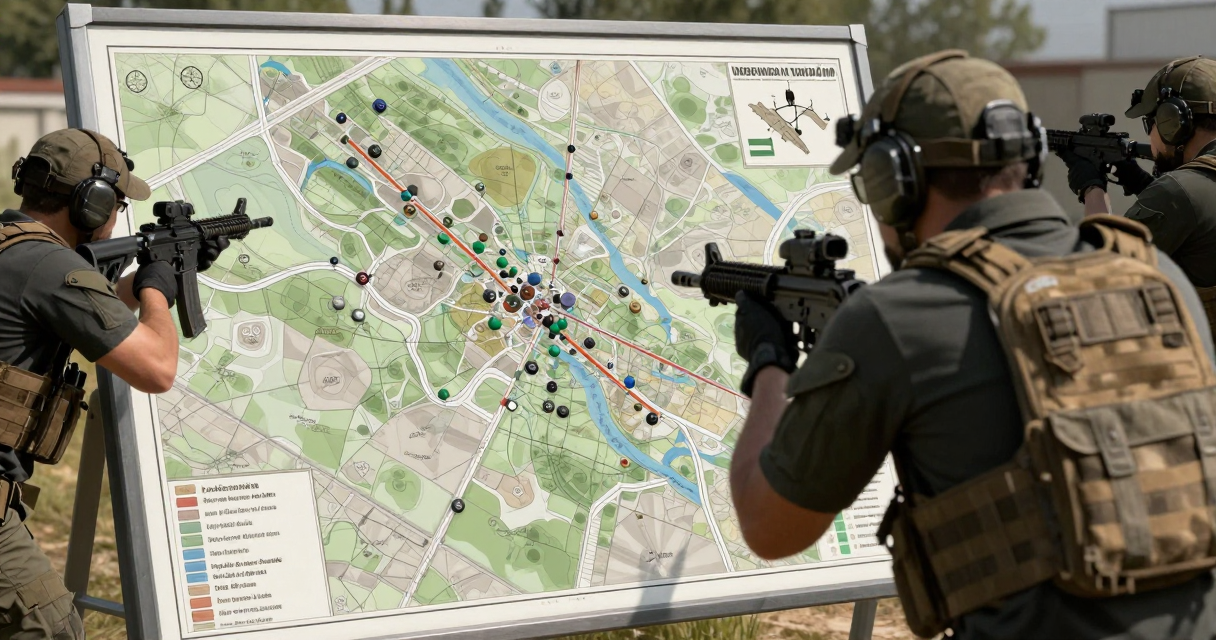
Tactical shooters are a unique genre in the gaming world, characterized by their emphasis on strategy, teamwork, and precise gameplay. Unlike traditional first-person shooters, tactical shooters require players to think critically about their movements and engagements. The design of maps in these games plays an essential role in shaping the overall experience. A well-crafted map can enhance player immersion, encourage strategic play, and provide a balanced environment for competition. In this context, understanding the principles of map design is crucial for both developers and players who wish to excel in tactical shooters.
Key Principles of Map Design
Effective map design in tactical shooters hinges on several key principles. These include balance, flow, and verticality. Balance refers to the fairness of the map, ensuring that neither team has an inherent advantage. This involves creating symmetrical layouts or asymmetrical designs that provide equal opportunities for both sides. Flow pertains to how players navigate the map, with well-designed paths that encourage movement and engagement. Lastly, verticality adds depth to gameplay, allowing players to utilize height for tactical advantages. Each of these principles contributes to a dynamic gaming experience that keeps players engaged.
Creating Balanced Environments
Balance is paramount in map design for tactical shooters. Developers often achieve this by meticulously crafting environments that provide equal opportunities for both attacking and defending teams. A balanced map should offer multiple routes and cover options, allowing players to devise various strategies. For example, in games like Valorant, maps are designed with equal sightlines and cover placements to ensure that no team can dominate simply due to map layout. This balance fosters fair competition and encourages players to rely on skill rather than map advantages.
The Importance of Flow in Map Design
The concept of flow is critical in tactical shooter map design, as it influences how players move and interact within the environment. A well-designed map should facilitate smooth transitions between different areas, allowing players to navigate without feeling obstructed or lost. This can be achieved through thoughtful placement of choke points, open areas, and corridors. For instance, in a game like Counter-Strike: Global Offensive, the flow of a map is crucial for maintaining the pace of the match, as players need to move swiftly to engage opponents or retreat to safety. Poor flow can lead to frustrating gameplay experiences, where players feel trapped or unable to make strategic decisions.
Incorporating Verticality for Tactical Depth
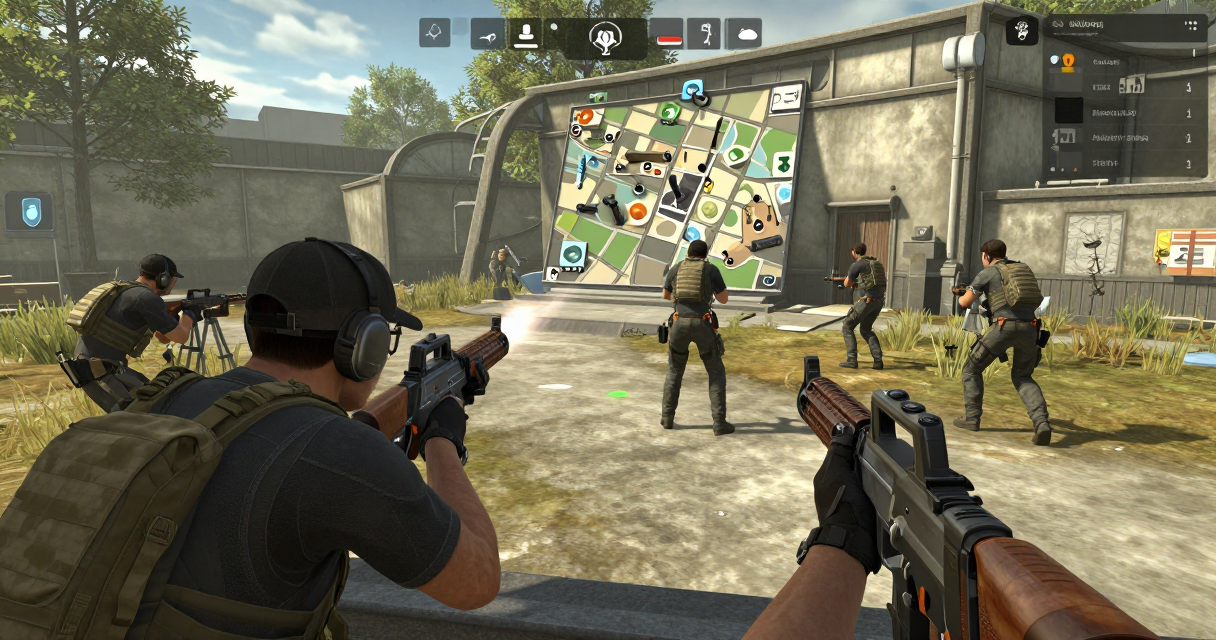
Verticality in map design adds a layer of complexity to gameplay, allowing players to leverage height for tactical advantages. Maps that incorporate multiple levels can create dynamic encounters, as players can choose to engage from above or below. This design element also encourages players to think critically about positioning and movement. For example, in games like Rainbow Six Siege, verticality is a fundamental aspect, with players utilizing ladders, rooftops, and basements to outmaneuver opponents. Incorporating vertical elements can enhance the overall tactical depth while providing diverse gameplay experiences.
Environmental Storytelling in Map Design
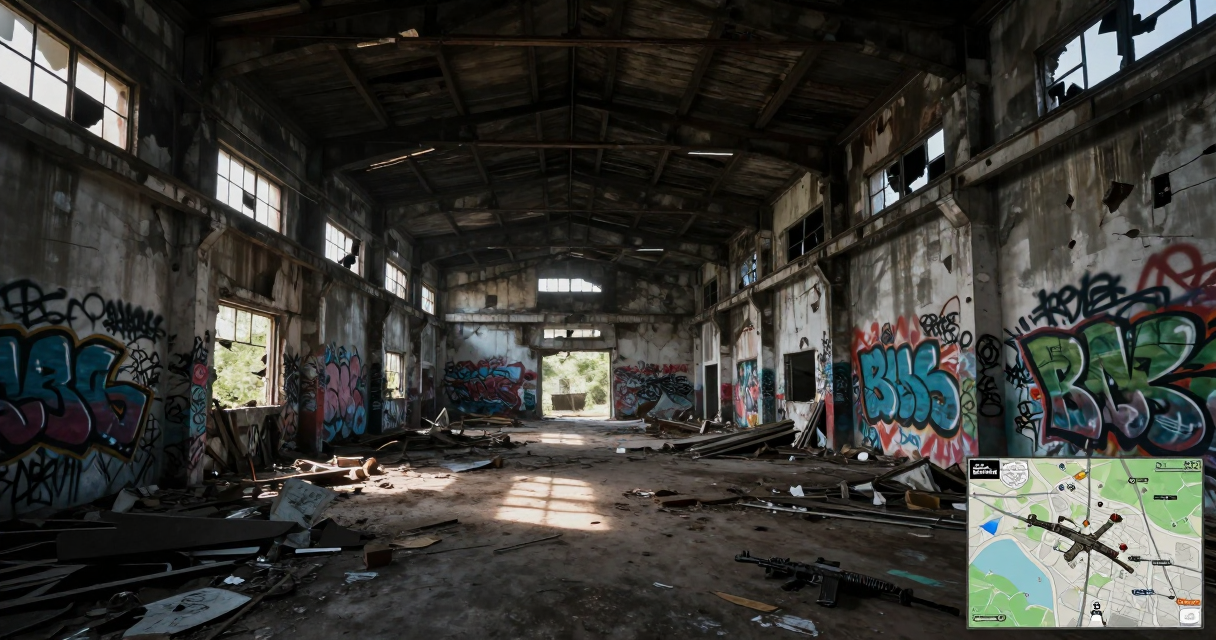
Environmental storytelling is an often-overlooked aspect of map design in tactical shooters. Developers can create immersive worlds that convey narratives through the environment itself. This can include visual cues, such as graffiti, damaged structures, or unique architectural styles that reflect the game’s lore. In games like Destiny 2, maps are designed not just for gameplay but also to enrich the player’s understanding of the game world. By incorporating storytelling elements into map design, developers can create a more engaging experience that resonates with players on a deeper level.
Player Feedback and Iterative Design
Player feedback plays a significant role in the map design process. Developers often rely on community input to refine and enhance their maps. This iterative design approach ensures that maps evolve based on actual player experiences rather than theoretical concepts. For instance, after releasing a new map, developers may monitor player behavior and gather feedback to identify areas that need improvement. This commitment to listening to the player base can lead to more enjoyable and balanced maps, as developers can address issues that may not have been apparent during the initial design phase.
Future Trends in Tactical Shooter Map Design
As the gaming industry continues to evolve, so too do the principles of map design in tactical shooters. Emerging trends include the integration of advanced technology, such as AI-driven environments and dynamic weather systems. These elements can create more immersive and unpredictable gameplay experiences. For example, a map that changes in real-time based on player actions or external factors can significantly alter strategies and approaches to combat. Staying ahead of these trends will be essential for developers seeking to create innovative and compelling tactical shooter experiences.

I have spent the last decade exploring the intersection of competitive gaming and the evolving landscape of online casinos. My passion lies in dissecting iGaming mechanics and hunting down the most transparent bonus offers for players.
Leave a Reply