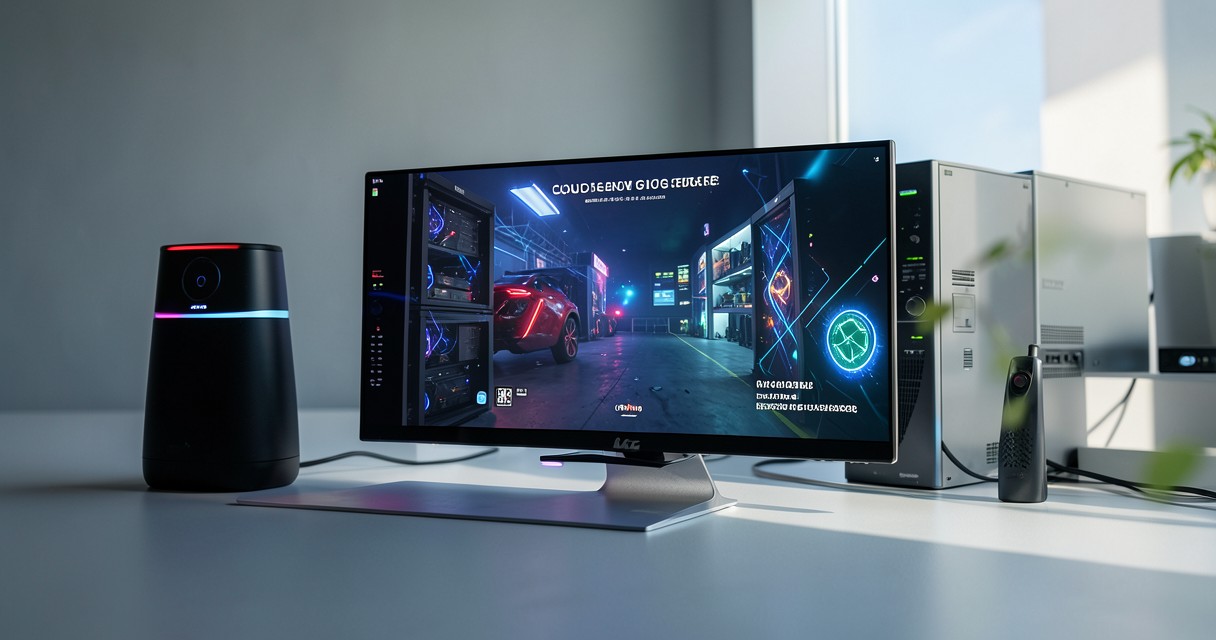
Cloud gaming turns the traditional console or PC into a thin client that streams interactive video from powerful remote servers, allowing players to launch the latest titles without owning expensive hardware. The service works much like a high‑speed video call, where the player’s inputs travel to the data centre, the game renders a frame, and the resulting image is sent back in real time. For fans of computer games, online slots, and live dealer tables this model promises instant access to a massive library while keeping the device footprint tiny. In the iGaming arena the same technology can deliver casino games with ultra‑low latency, making it possible to play high‑stakes poker from a phone as smoothly as from a desktop.
How the Cloud Gaming Pipeline Operates
The backbone of cloud gaming consists of three main components: a data centre equipped with GPUs or custom ASICs, a high‑capacity network, and a client application on the user’s device. When a player selects a title, the server spins up a virtual machine, loads the game files, and begins rendering frames at 60 fps or higher. Input data travels through encrypted packets that are typically routed over fiber or 5G connections, keeping round‑trip times under 30 ms for most regions. The rendered frames are compressed using codecs such as H.264 or AV1, then streamed to the device at bitrates ranging from 10 Mbps for standard quality up to 35 Mbps for ultra‑high definition.
On the client side the application decodes the video stream, displays it, and sends controller or touch inputs back to the server. Because the heavy lifting happens remotely, the local device only needs enough processing power to run the decoder and manage the network stack. This design explains why a modest Android phone, a low‑end laptop, or even a Smart TV can run titles that normally demand a top‑tier graphics card, and it also means that updates to the game engine are applied centrally without forcing users to download patches.
Major Cloud Gaming Platforms and Their Business Models
Several providers dominate the current market, each pairing a subscription tier with a curated library. Nvidia’s GeForce Now offers a “Priority” plan at $9.99 per month, granting access to a catalogue of over 600 titles and the ability to stream from a personal PC library. Microsoft’s Xbox Game Pass Ultimate bundles the console subscription with cloud streaming for $14.99, letting members play titles like “Halo Infinite” on phones and browsers. Sony’s PlayStation Plus Premium, launched in 2022, adds cloud streaming to its existing subscription at $17.99, while Amazon Luna operates on a channel model where users pay per collection of games, starting at $5.99 for the “Luna+” channel.
Pricing strategies reflect the balance between server costs, player expectations, and house edge. Subscription fees typically cover the electricity, cooling, and licensing fees for each streamed hour, while some platforms also charge a per‑hour usage rate for premium titles. In the casino segment, operators such as Evolution Gaming have begun offering cloud‑hosted live dealer experiences that are billed per seat, mirroring the traditional dealer‑room cost structure but with the added flexibility of scaling up during peak traffic.
Advantages for Traditional Gamers and Casino Enthusiasts
For PC gamers the most obvious benefit is the elimination of hardware upgrades; a player can experience ray‑traced graphics on a device that would otherwise be unable to run the game at all. This lowers the entry barrier for titles that previously required a $2,000 rig, expanding the potential audience for both AAA releases and indie experiments. Cloud gaming also simplifies cross‑platform play, as the same server instance can be accessed from a console, a smartphone, or a web browser, ensuring that friends on different devices share the same experience.
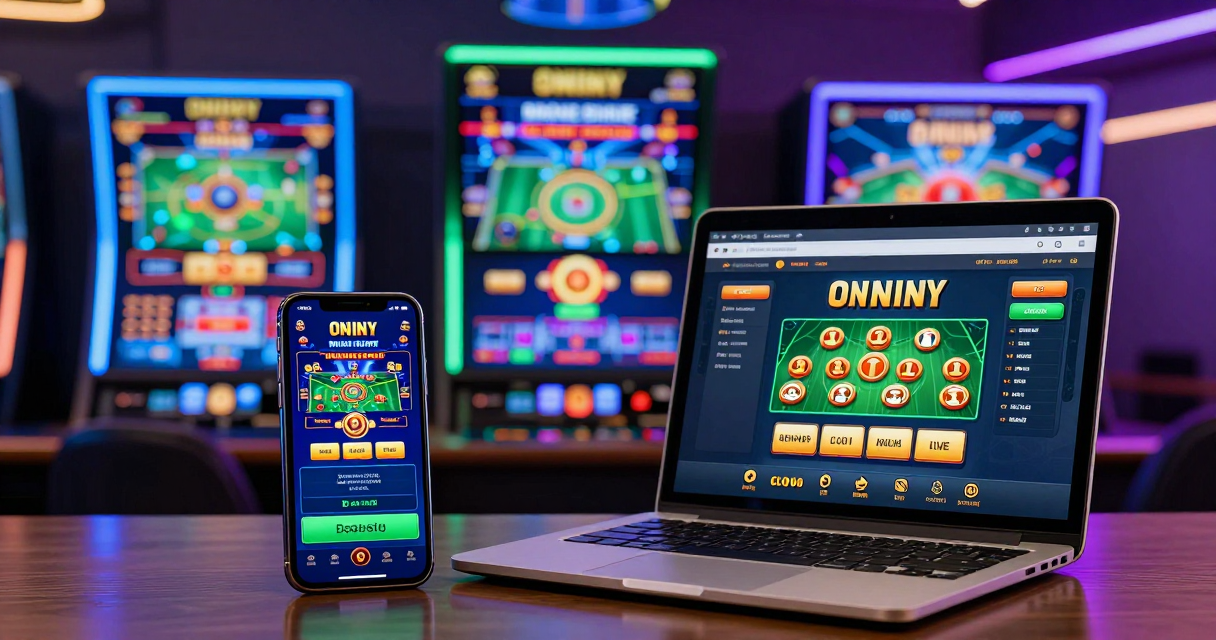
Casino players enjoy slot game updates. Live dealer games streamed from a data centre can be rendered in 4K resolution with real‑time interaction, while the latency remains low enough to satisfy high‑roller expectations. Moreover, cloud platforms can integrate bonus systems directly into the streaming interface, allowing operators to push personalized promotions, free spins, or loyalty points without interrupting gameplay. This seamless blend of streaming and reward mechanics leverages procedural content generation to create a more engaging environment that keeps players on the platform longer.
Technical and Economic Challenges of Cloud Gaming
Latency remains the primary technical hurdle; even a slight delay can turn a fast‑paced shooter or a high‑stakes blackjack table into an unplayable experience. To mitigate this, providers invest in edge data centres located near major population hubs, but the cost of building and maintaining such infrastructure is substantial. Bandwidth consumption is another concern, as streaming a single game at 1080p can consume up to 15 GB per hour, which may exceed data caps for users on limited plans.
From an economic perspective, subscription fatigue explains why providers release slot sequels. Players now juggle multiple services, Game Pass, GeForce Now, Luna, and perhaps a cloud casino subscription, each with its own monthly fee. Operators respond by offering bundled deals that combine game streaming with casino credits, but the complexity of managing multiple wallets and bonus codes can deter casual users. Additionally, licensing agreements for popular titles often require revenue sharing, which can erode profit margins for the cloud provider.
Impact on the iGaming Industry and Bonus Strategies
Cloud technology reshapes how online casinos design and deliver slot game engines. By hosting live dealer tables on scalable servers, operators can instantly adjust capacity to match demand spikes during major sporting events or holiday promotions. This flexibility reduces the need for physical studio space and enables rapid deployment of new game variants, such as multi‑hand baccarat or themed slot streams that incorporate real‑time graphics.
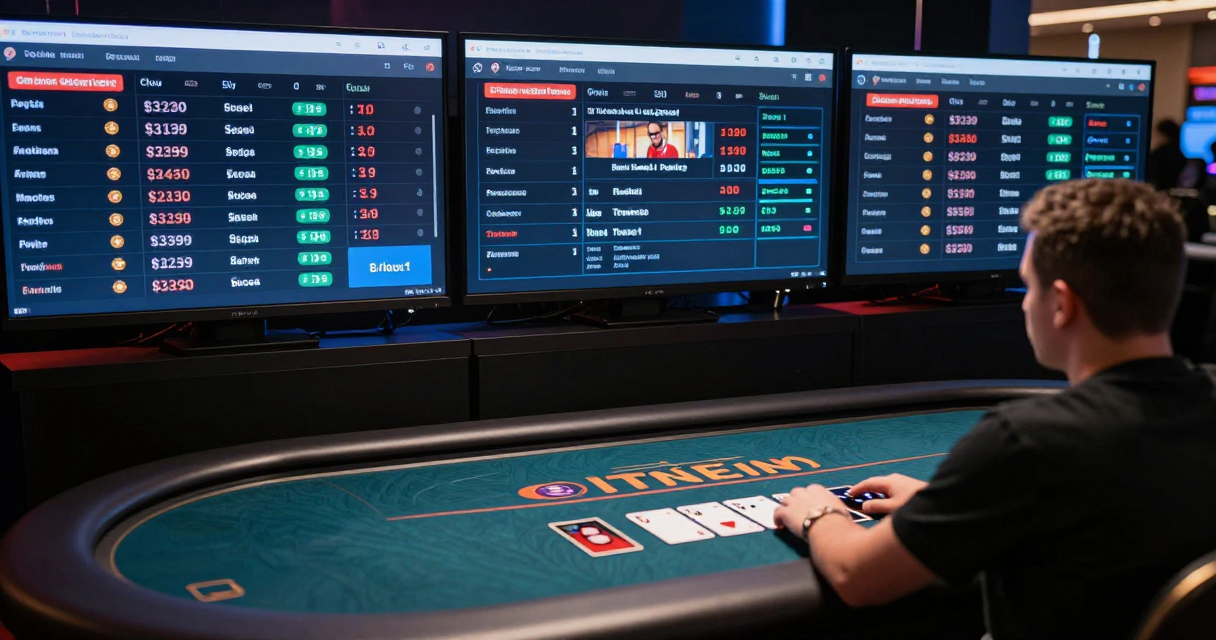
Bonus structures adapt to the cloud environment by linking rewards directly to streaming metrics. For example, a casino might award extra free spins after a player streams a certain number of hours of a featured slot, or grant loyalty points for participating in a cloud‑hosted tournament. These incentives encourage longer sessions and increase the likelihood that a player will convert from a free trial to a paying customer, creating a virtuous cycle of engagement and revenue.
Future Directions and What Players Should Anticipate
Looking ahead, the convergence of cloud gaming and iGaming is likely to produce hybrid experiences that reflect themes and trends in upcoming slot games. Imagine a multiplayer battle royale that incorporates wagering on in‑game loot boxes, or a role‑playing adventure where every dungeon run can trigger a side bet on a live roulette wheel. As 5G networks become ubiquitous, the reduction in latency will make such integrations feel natural, opening new revenue streams for developers and operators alike.
Players can expect providers to refine pricing models, perhaps moving toward usage‑based billing that rewards low‑latency sessions and penalizes excessive bandwidth consumption. At the same time, advances in AI‑driven compression will lower the data required for high‑quality streams, making cloud gaming more accessible in regions with limited internet infrastructure. For those who enjoy both high‑octane gaming and casino thrills, the next wave of cloud services promises a seamless blend of entertainment that was once only a theoretical concept.

I have spent the last decade exploring the intersection of competitive gaming and the evolving landscape of online casinos. My passion lies in dissecting iGaming mechanics and hunting down the most transparent bonus offers for players.
Leave a Reply