Tactical shooters have carved a unique niche within the gaming landscape, captivating audiences with their strategic depth and intense gameplay. Unlike traditional shooters, which often prioritize fast-paced action and reflexes, tactical shooters require players to engage their minds, employing strategies and teamwork to achieve objectives. This genre blends realism with intricate mechanics, offering a gameplay experience that challenges players to think critically and adapt to evolving scenarios. Understanding the core mechanics of tactical shooters is essential for both players and developers, as it shapes the overall gaming experience and influences player engagement.
Teamwork and Communication
At the heart of tactical shooters lies the principle of teamwork. Unlike solo-centric games, tactical shooters thrive on collaboration among players. Successful teams communicate effectively, sharing information about enemy locations, strategies, and objectives. In games like “Rainbow Six Siege,” players must coordinate their actions to breach locations, clear rooms, and secure objectives. This emphasis on communication transforms gameplay into a shared experience, where victories depend not just on individual skill but on the collective efforts of the team.
Moreover, many tactical shooters implement voice chat and in-game communication systems to facilitate real-time interaction. This feature is crucial during high-stakes moments, where split-second decisions can mean the difference between victory and defeat. Players who excel in coordinating tactics and maintaining clear communication often find themselves at a significant advantage, enabling them to execute complex strategies and adapt to opponents’ moves.
Strategic Planning and Execution
Strategic planning is a fundamental mechanic of tactical shooters. Players must analyze maps, assess enemy positions, and devise plans to achieve objectives. In games like “Counter-Strike,” teams often employ predefined strategies known as “strats” to guide their actions. These strategies may involve specific roles for each player, such as entry fraggers, support, and snipers. The execution of these plans requires discipline and precise timing, as players must adapt to dynamic situations while remaining focused on their objectives.
The importance of strategic planning extends to map knowledge as well. Understanding the layout of a map, including choke points, hiding spots, and common routes, allows players to anticipate enemy movements and plan their own accordingly. This depth of strategy fosters a rewarding experience, as players can refine their tactics over time, learning from each engagement to improve future performances.
Realism and Physics
Realism is a hallmark of many tactical shooters, influencing everything from weapon mechanics to player movement. Unlike arcade shooters, where bullets may travel instantaneously, tactical shooters often incorporate realistic ballistics, recoil patterns, and environmental interactions. For instance, in “Escape from Tarkov,” players must account for factors like bullet drop and travel time, making marksmanship a critical skill. This realism adds layers of complexity, as players must develop a keen understanding of their weapons and how to use them effectively in different scenarios.
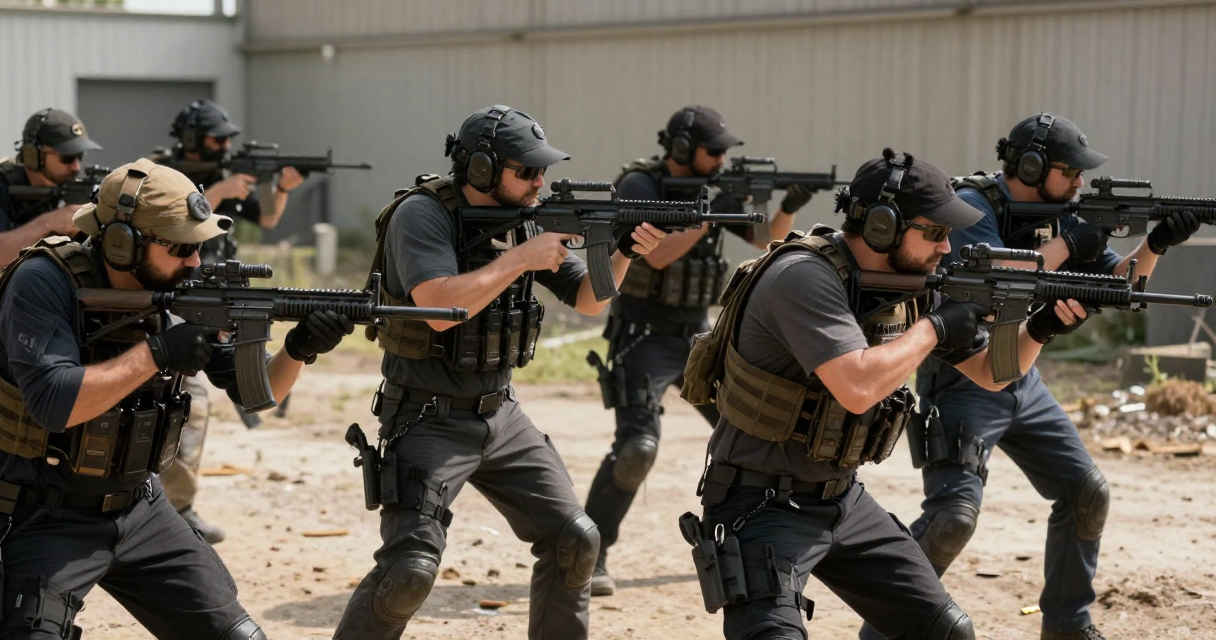
Additionally, environmental physics play a significant role in gameplay. Destructible environments, cover mechanics, and sound propagation create immersive experiences where players must consider their surroundings. In “Battlefield,” for example, players can use explosives to destroy cover, altering the battlefield dynamics. Such mechanics not only enhance realism but also encourage players to think creatively about how they approach engagements.
Resource Management
Resource management is another core mechanic that distinguishes tactical shooters from other genres. Players often have limited ammunition, health supplies, and equipment, requiring them to make strategic decisions about how to utilize these resources. In games like “Insurgency,” players must scavenge for weapons and supplies while managing their inventory carefully. This scarcity adds tension to gameplay, as players must balance aggression with caution, ensuring they have enough resources to survive encounters.
The management of resources extends to team dynamics as well. Teams must allocate resources effectively, deciding who gets specific equipment or ammunition based on their roles. For example, a sniper may require specialized ammunition, while an assault player needs a steady supply of grenades. This mechanic encourages teamwork and strategic thinking, as players must communicate and negotiate resource allocation to optimize their chances of success.
Objective-Based Gameplay
Tactical shooters often revolve around specific objectives rather than simply eliminating opponents. These objectives can vary widely, from planting explosives to rescuing hostages or securing control points. This focus on objectives encourages players to think critically about their actions, as blindly rushing into combat can lead to failure. In “Valorant,” for instance, the game’s plant/defuse mechanic requires teams to balance offensive and defensive strategies, creating a dynamic and engaging gameplay loop.
The diversity of objectives also allows for varied gameplay experiences. Different game modes can shift the focus from combat to strategic planning, requiring players to adapt their tactics based on the objectives at hand. This variety keeps the gameplay fresh, as players must continually refine their strategies and approaches to succeed in different scenarios.
Skill Progression and Learning Curve
The learning curve in tactical shooters can be steep, but this complexity often leads to a rewarding sense of progression. Players start with basic skills and gradually learn advanced tactics, map knowledge, and teamwork strategies. Many games incorporate a ranking system that rewards players for their performance, encouraging continued engagement and improvement. For example, “Call of Duty: Warzone” features a leveling system that unlocks new weapons and perks, allowing players to customize their loadouts based on their playstyle.
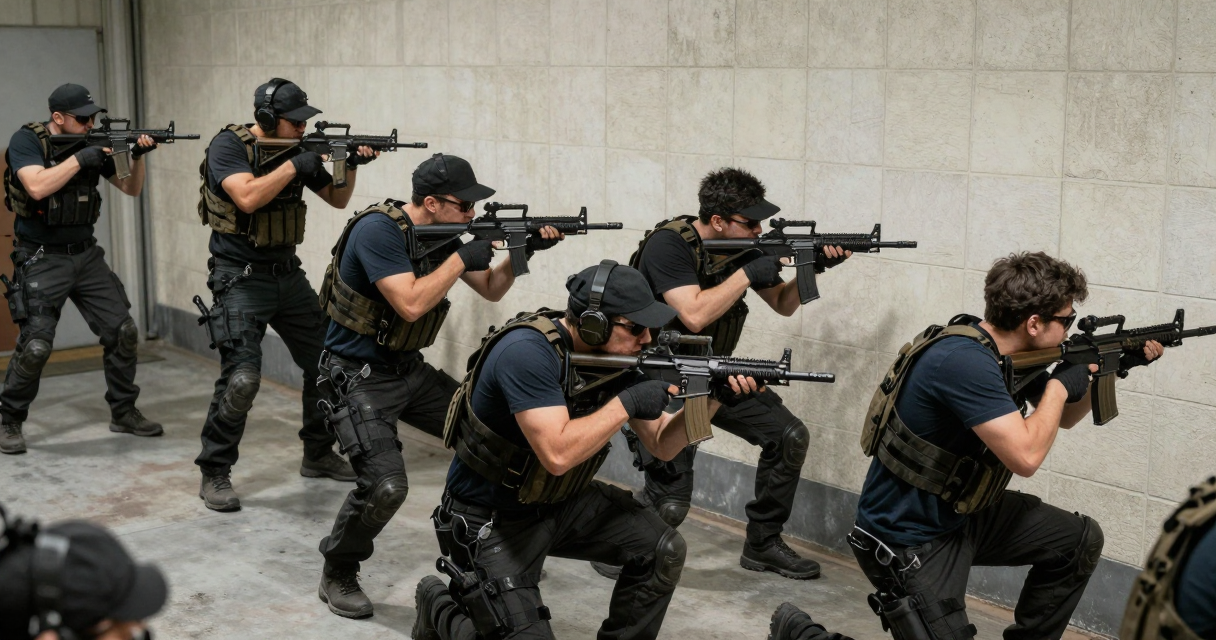
This skill progression fosters a sense of achievement, as players can see tangible improvements in their performance over time. Furthermore, the community aspect of tactical shooters often leads to shared learning experiences, where players exchange tips and strategies. This collaborative environment enhances the overall gaming experience, as players can bond over their shared challenges and triumphs.
The Role of Game Design in Tactical Shooters
Game design plays a crucial role in shaping the mechanics and overall experience of tactical shooters. Developers must balance realism with gameplay accessibility, ensuring that new players can engage without feeling overwhelmed. This balance often involves careful design choices, such as intuitive controls, user-friendly interfaces, and tutorials that guide players through complex mechanics. Games like “Tom Clancy’s Rainbow Six Siege” excel in providing clear tutorials and training modes that help players understand the mechanics before diving into competitive play.
Moreover, continuous updates and community feedback can significantly influence a game’s longevity. Developers often release patches to address balance issues, introduce new content, and refine gameplay mechanics based on player feedback. This ongoing commitment to improvement fosters a dedicated player base, as gamers feel their voices are heard and valued. A well-designed tactical shooter can evolve over time, adapting to the changing needs and desires of its community, ultimately enhancing the gameplay experience.

I have spent the last decade exploring the intersection of competitive gaming and the evolving landscape of online casinos. My passion lies in dissecting iGaming mechanics and hunting down the most transparent bonus offers for players.
Leave a Reply