
The evolution of tactical shooter games represents a fascinating journey through computer gaming, illustrating how cloud gaming works technically in the context of competitive play and iGaming. These games, which emphasize strategy, teamwork, and precision, have transformed significantly since their inception. From early titles that laid the groundwork to modern iterations that incorporate advanced technology and gameplay mechanics, tactical shooters have continually adapted to meet the demands of gamers. This article explores the key milestones in the development of tactical shooter games, examining their impact on both the gaming community and the broader iGaming industry.
Origins of Tactical Shooter Games
The tactical shooter genre began to take shape in the late 1990s, with games like “Counter-Strike” and “Rainbow Six” paving the way for future titles. “Counter-Strike,” initially a mod for “Half-Life,” introduced players to team-based gameplay where strategy and coordination were essential for success. This shift from traditional first-person shooters to a more tactical approach allowed players to engage in intense, strategic battles that required communication and teamwork. Similarly, “Rainbow Six” emphasized planning and execution, allowing players to control a team of operatives in various scenarios. These early games set the foundation for basic game selection strategy in the gaming community.
Technological Advancements and Gameplay Mechanics
As technology advanced, the development of slot game engines explained changes in gameplay mechanics of tactical shooters. The introduction of realistic graphics, physics engines, and AI capabilities enhanced immersion and strategy. Games began to feature destructible environments, advanced weapon customization, and more complex maps that required players to think critically about their movements and tactics. Titles like “Call of Duty” and “Battlefield” incorporated these elements, offering players a more dynamic and engaging experience. The evolution of online multiplayer capabilities also played a significant role, allowing players from around the world to connect and compete, further popularizing the genre.
The Rise of eSports and Competitive Gaming
The tactical shooter genre has become a cornerstone of the eSports phenomenon, with games like “Counter-Strike: Global Offensive” (CS:GO) leading the charge. Competitive tournaments have drawn millions of viewers and substantial prize pools, highlighting the skill and strategy involved in tactical shooters. Organizations and teams have emerged, creating a structured environment for players to compete at high levels. This rise in eSports has not only elevated the status of tactical shooters but has also created new opportunities for monetization through sponsorships, merchandise, and streaming platforms. The integration of tactical shooters into the eSports ecosystem, with cloud gaming explained, has solidified their place in the gaming industry.
Innovation in Game Design and Community Engagement
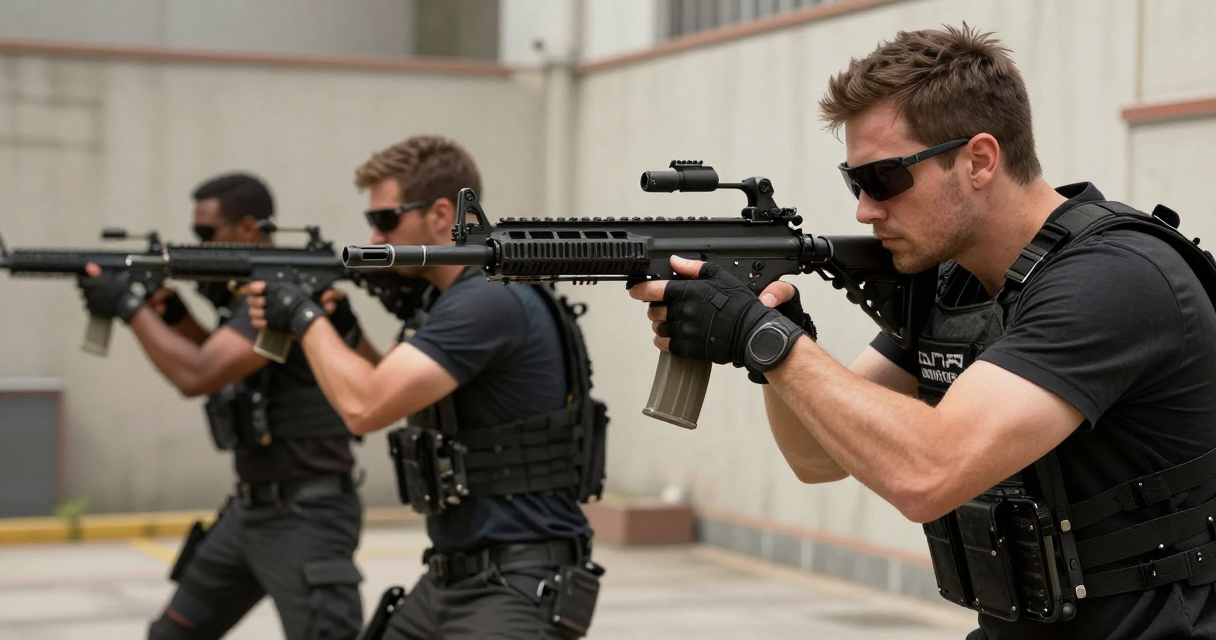
Modern tactical shooters have embraced innovation, with many developers focusing on community engagement and player feedback. Games like “Escape from Tarkov” and “Valorant” have incorporated elements like beta testing and early access, allowing players to contribute to game design and balance. This collaborative approach has resulted in titles that resonate with their audiences, as developers respond to community needs and preferences. Additionally, the rise of user-generated content and modding has enabled players to create their own maps, modes, and experiences, further enriching the tactical shooter landscape.
Integration of Online Casino Elements in Tactical Shooters
Interestingly, the boundaries between tactical shooters and online casino gaming have started to blur, especially when comparing cloud gaming vs local gaming with the introduction of skins and in-game purchases. Players can buy, sell, and trade cosmetic items, creating a virtual economy similar to that of online casinos. This monetization strategy has not only generated revenue for developers but has also fostered a culture of collecting and trading among players. Games like CS:GO have seen significant market activity around skins, with some items fetching thousands of dollars. This integration of casino-like elements into tactical shooters highlights the evolving nature of gaming and the diverse ways players engage with their favorite titles.
Challenges and Controversies in Tactical Shooter Games
Despite their popularity, tactical shooters have faced several challenges and controversies. Issues such as cheating, toxicity in online play, and concerns over player safety have prompted developers to implement stricter anti-cheat measures and community guidelines. The rise of cheating software has particularly plagued competitive play, undermining the integrity of tournaments and casual matches alike. Developers are continuously working to create fair and balanced environments, but the battle against cheaters remains an ongoing struggle.
The Future of Tactical Shooter Games
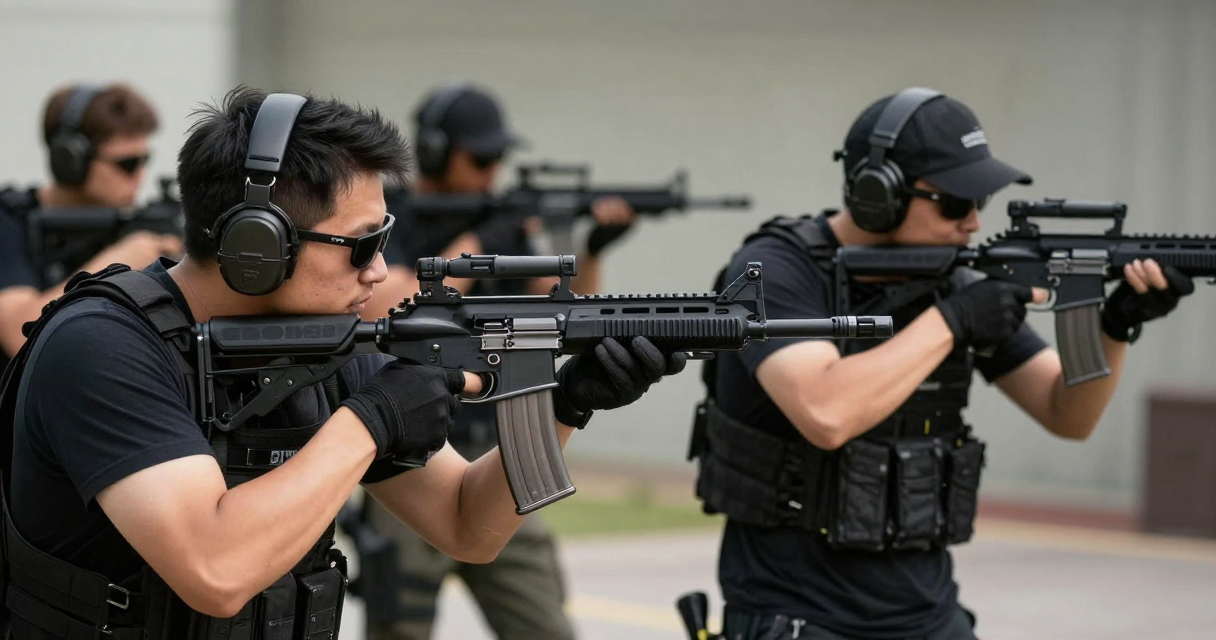
Looking ahead, future AI applications in online games promise to further enhance gameplay. Virtual reality (VR) and augmented reality (AR) are likely to play significant roles in the evolution of the genre, offering immersive experiences that could redefine how players engage with tactical shooters. Additionally, as the gaming community continues to grow, developers will likely focus on creating inclusive environments that cater to diverse player bases. The integration of artificial intelligence in matchmaking and gameplay could also elevate the strategic elements of tactical shooters, making them more engaging and challenging.

I have spent the last decade exploring the intersection of competitive gaming and the evolving landscape of online casinos. My passion lies in dissecting iGaming mechanics and hunting down the most transparent bonus offers for players.
Leave a Reply