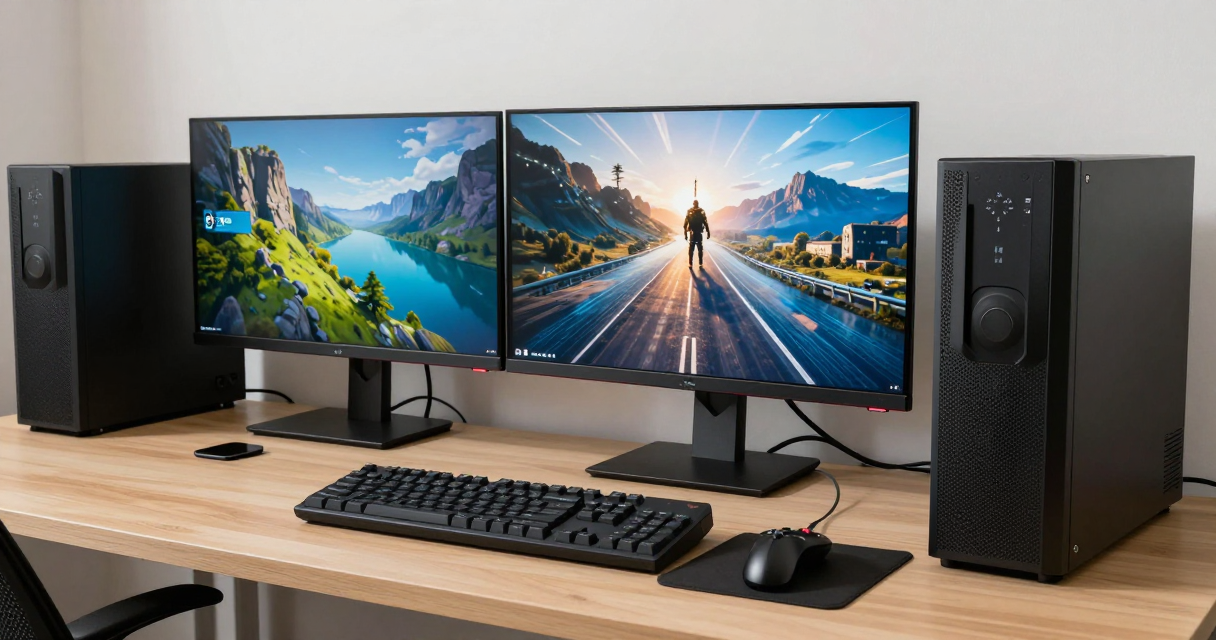
Cloud gaming has moved from a niche curiosity to a mainstream option for players who want instant access to high‑end titles without stocking a powerful PC or console. In the iGaming sector, the same technology now powers live casino streams, virtual slot rooms and multiplayer poker tables, turning any broadband‑connected device into a potential gambling hub. At the same time, traditional local setups still dominate the market for hardcore gamers who demand absolute control over graphics, latency and game modifications. Understanding the trade‑offs between streaming services and locally installed hardware is essential for anyone who balances competitive e‑sports, immersive RPGs and online casino experiences.
The rise of cloud gaming in the iGaming market
Major platforms such as Xbox Cloud Gaming, Nvidia GeForce Now and Amazon Luna have expanded their catalogs to include licensed casino titles, allowing players to spin slots or place bets from a smartphone while the game renders on remote servers. This shift mirrors the broader entertainment industry’s move toward subscription models, where a monthly fee replaces the one‑time purchase of a console or PC. In 2026, GeForce Now’s standard plan costs $9.99 per month, a price that includes access to a library of both traditional video games and approved gambling titles, making it competitive with other streaming options that bundle casino content at similar price points. The convenience of being able to join a live dealer table without installing specialized software has attracted a new demographic of casual gamblers who value flexibility over raw performance.
Streaming providers benefit from the ability to negotiate bulk licensing deals with game studios and casino operators, which can reduce costs for end users. At the same time, developers gain exposure to a wider audience, as cloud platforms can deliver games to devices that would otherwise lack the processing power to run them locally. This symbiotic relationship fuels rapid growth, with industry analysts reporting double‑digit percentage increases in cloud‑based casino session counts year over year. The result is a vibrant ecosystem where the line between video gaming and online gambling blurs, prompting players to consider whether a cloud subscription might replace multiple local installations.
Latency and performance: how streaming affects fast‑paced titles
Latency remains the most critical factor for competitive gamers and high‑stakes casino players alike. Cloud gaming adds at least one round‑trip to the data path, meaning the time it takes for a player’s input to travel to the server and back can range from 30 to 80 milliseconds on a fast fiber connection. For fast‑paced shooters or rhythm‑based casino mini‑games, this delay can translate into missed shots or inaccurate timing on bonus triggers. In contrast, a locally installed game on a high‑end PC or console processes input within a few milliseconds, providing the razor‑thin response times demanded by professional e‑sports athletes.
Providers mitigate latency through regional server farms and adaptive bitrate streaming, but the quality of the experience still depends heavily on the user’s internet infrastructure. Players in areas with limited broadband options may encounter frame drops or visual artifacts, especially during moments of high network congestion. For casino operators, such interruptions can affect the perceived fairness of a game, prompting regulators to require strict service level agreements that guarantee minimum uptime and consistent latency thresholds for live dealer streams.
Cost comparison: subscription fees versus hardware investment
Investing in a gaming rig or a next‑generation console typically involves an upfront expense of $400 to $1,200, depending on the chosen specifications and accessories. This capital outlay includes a monitor, peripherals, and, for PC builds, periodic upgrades to keep pace with evolving graphics standards. Over a three‑year horizon, the total cost of ownership can exceed $2,000 when factoring in electricity, maintenance and occasional component replacements. Cloud gaming, by contrast, replaces most of these expenses with a recurring subscription fee that ranges from $9.99 to $15 per month for premium tiers that include access to both video game libraries and licensed casino titles.
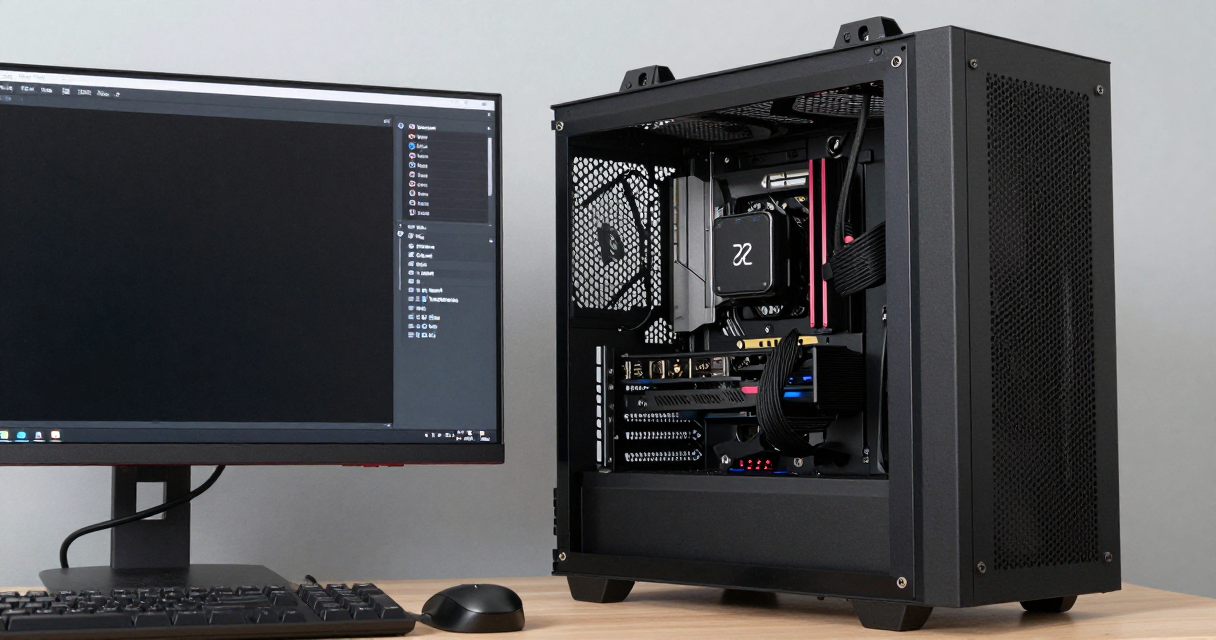
When the subscription cost is annualized, a player spends roughly $120 to $180 per year, a figure that remains modest even after adding optional add‑ons for higher resolution streams or extra casino game packs. For users who primarily engage with casual titles or who prefer to sample new releases without committing to a permanent purchase, the cloud model offers a clear financial advantage. However, power users who regularly purchase new releases at full price and demand ultra‑high resolutions may find the cumulative subscription fees exceed the cost of a dedicated high‑performance system after several years.
Game ownership, libraries and licensing in cloud vs local
Local installations grant players permanent ownership of a game file, allowing them to replay the title indefinitely, even after the original publisher ceases support. This model also enables the creation of personal collections, resale or gifting of physical copies, and the use of offline modes that do not require an internet connection. Cloud platforms, on the other hand, operate on a licensing basis; access to a title persists only while the user maintains an active subscription and the service continues to host the game on its servers. If a provider removes a title from its catalog, subscribers lose the ability to play it, regardless of how often they previously logged in.
In the context of online casino games, regulatory oversight is crucial for ensuring compliance with laws. Cloud providers must ensure that each streamed casino title complies with the jurisdictional requirements of the player’s location, which can lead to region‑specific libraries and occasional removal of games that fail to meet local standards. This dynamic can be advantageous for operators seeking to enforce responsible gambling policies, yet it also introduces uncertainty for players who wish to maintain a consistent set of favorite slots or table games across multiple devices.
Modding, customization and cheat concerns
modding culture thrives on the freedom to alter game files, create custom content and share modifications with the community. Local installations empower users to install third‑party patches, texture packs and gameplay tweaks that can extend a title’s lifespan and personalize the experience. Cloud gaming restricts this flexibility, as the underlying files reside on the provider’s servers and are not directly accessible to the end user. Consequently, players cannot apply traditional mods, which can be a drawback for those who enjoy the creative aspect of game modification.
From a security perspective, the closed nature of cloud platforms reduces the surface area for cheat software to operate, a factor that benefits both competitive gamers and online casino operators. Since the rendering and logic execution occur on remote hardware, attempts to inject unauthorized code are far more difficult than on a locally installed client where memory manipulation tools can be applied. Nevertheless, providers must still guard against account hijacking, credential theft and malicious streaming attacks, especially when high‑value wagers are involved in live casino sessions.
Security, privacy and data handling for casino games
Streaming services collect a range of data points, from device identifiers to gameplay metrics, to optimize performance and personalize recommendations. When these platforms host casino games, the data set expands to include financial transactions, betting patterns and personal identification information required for regulatory compliance. Players must trust that the cloud provider implements strong encryption, secure storage and transparent data retention policies to protect sensitive information from breaches.
Regulators in many jurisdictions mandate that operators retain detailed logs of every betting event, a requirement that cloud services must satisfy without compromising user privacy. Providers often employ tiered access controls, ensuring that only authorized personnel can view transaction records while automated systems handle routine audit trails. For gamers who value anonymity, this added layer of oversight can feel intrusive, yet it also offers a measure of protection against fraud and money laundering that is harder to achieve on isolated local setups.
Future outlook: hybrid approaches and hardware trends
Emerging technologies suggest a convergence of cloud and local experiences, where a player might download a base game locally while streaming additional high‑resolution assets on demand. This hybrid model reduces the need for massive storage while preserving the low‑latency benefits of a locally rendered core engine. In the iGaming sector, such an approach could allow live dealer video feeds to stream in ultra‑high definition while the underlying game logic runs on the player’s device, balancing performance with visual fidelity.
Hardware manufacturers are also responding by integrating dedicated streaming chips into consoles and high‑end graphics cards, enabling smoother handoffs between local rendering and cloud assistance. As broadband speeds continue to climb and 5G coverage expands, the practical gap between cloud and local performance is likely to narrow, making subscription‑based access an increasingly attractive option for both gamers and casino enthusiasts. The evolution will depend on how providers address latency, content licensing and data security, factors that will shape the next generation of interactive entertainment.

I have spent the last decade exploring the intersection of competitive gaming and the evolving landscape of online casinos. My passion lies in dissecting iGaming mechanics and hunting down the most transparent bonus offers for players.
Leave a Reply