Community-driven updates in shooters have evolved from simple patch notes into a high-stakes business model that blends player retention with monetization strategies. Developers now treat player feedback as real-time market research, adjusting weapon balance, map rotations, and even in-game economies based on data pulled from forums, social media, and direct telemetry. This shift isn’t just about keeping players engaged; it’s about turning engagement into a predictable revenue stream. Free updates, battle passes, and limited-time events are all designed around community sentiment, ensuring that every tweak maximizes player spending while minimizing churn. The result is a feedback loop where players feel heard, developers see higher conversion rates, and the entire ecosystem becomes more profitable.
How Player Feedback Shapes In-Game Economies and Bonus Systems
Modern shooters don’t just listen to complaints about recoil patterns or spawn points; they actively adjust their in-game economies based on player behavior. Take Call of Duty: Warzone, where the introduction of the “Buy Station” system came directly from community frustration over loot scarcity. Players demanded faster access to gear, and Activision responded by adding purchasable loadouts, which now generate millions in microtransactions. Similarly, Counter-Strike 2’s skin market thrives because Valve monitors trading volumes and adjusts drop rates to keep the economy liquid. These updates aren’t just about fairness; they’re about ensuring that players keep spending on cases, keys, and battle passes. The more developers align their monetization with player desires, the more they can justify premium pricing for exclusive content.
Bonus systems in shooters have also become more sophisticated thanks to community input. Games like Apex Legends and Destiny 2 now leverage cloud gaming platforms to offer seamless “double XP weekends” and “bonus currency events” during player activity dips. If engagement drops on weekends, developers roll out limited-time multipliers to incentivize playtime. This strategy isn’t charity; it’s a calculated approach using innovative slot mechanics to keep players engaged and spending on rewards. The key is making players feel like they’re getting a deal, even if the underlying math ensures the house always wins. When done right, these updates turn casual players into loyal customers who see every new event as a must-play opportunity.
The Role of Telemetry in Crafting High-Retention Updates
Telemetry data has become the backbone of community-driven updates, allowing developers to track everything from weapon usage to player drop-off points. Tom Clancy’s Rainbow Six Siege famously used heatmaps to identify which maps had the most one-sided matches, leading to targeted reworks that improved matchmaking fairness. This data-driven approach extends to monetization, where developers analyze which skins sell best and why. If a particular weapon skin sees high purchase rates, studios double down on similar designs in future battle passes. The same logic applies to bonus structures; if players ignore a “20% deposit bonus” in favor of a “free spin” promotion, developers pivot to the more popular incentive.
This level of granularity isn’t just about improving gameplay; it’s about optimizing the entire player lifecycle. Early versions of Battlefield 2042 struggled with retention, reflecting broader challenges in the evolution of tactical shooters. By analyzing playtime data, EA DICE identified that squad-based modes were the most engaging, leading to updates that expanded those features. The result was a 30% increase in daily active users, which directly translated to higher battle pass sales. Telemetry doesn’t just tell developers what players want; it tells them how to package those wants into monetizable content. The best updates don’t just fix problems; they turn problems into revenue opportunities.
From Forums to Monetization: How Devs Turn Complaints into Cash
Player feedback on Reddit and Discord highlights key cloud gaming advantages over traditional local gaming setups. Destiny 2’s community famously criticized the lack of meaningful endgame content, so Bungie introduced the “Deep Stone Crypt” raid, which became one of the most profitable expansions in the game’s history. The key was framing the update as a response to player demands while ensuring it included monetizable elements like exclusive armor sets and emotes. Similarly, Overwatch 2’s shift to a free-to-play model was a direct response to declining player numbers, but the real genius was bundling the transition with a battle pass that offered high-value cosmetics. Players felt like they were getting more for less, while Blizzard saw a 40% increase in in-game purchases.
The most successful shooters don’t just address complaints; they monetize the solutions. Valorant’s community constantly requests new agents, but Riot Games doesn’t just add them for free. Each new character comes with a battle pass track, exclusive skins, and a premium price tag. The same goes for weapon balance changes; if a gun is overpowered, developers nerf it but introduce a new, equally strong alternative that players can unlock through grinding or spending. This creates a cycle where every update feels like a win for the community while quietly driving revenue. The best part is that players don’t even realize they’re being upsold; they just think the game is getting better.
Battle Passes and Limited-Time Events: The Monetization of Player Demand
Battle passes are the ultimate example of community-driven updates turned into revenue engines. Fortnite didn’t invent the battle pass, but it perfected the model by tying every season to a new theme based on player feedback. If the community wants more sci-fi content, Epic Games delivers a season with futuristic skins and weapons, all locked behind a paywall. The same logic applies to limited-time events; Call of Duty: Modern Warfare III’s “Haunted Scream” event was a direct response to players asking for more horror-themed content, but it also included exclusive operator skins that sold out within hours. These events aren’t just about keeping players engaged; they’re about creating FOMO (fear of missing out) that drives impulse purchases.
The genius of this system is that it makes players feel like they’re part of the development process. When Apex Legends introduced the “Mirage Voyage” event, it was framed as a response to community requests for more story-driven content. In reality, it was a carefully designed monetization funnel, with exclusive skins, battle pass tiers, and even a paid “event currency” that encouraged players to spend more. The result was a 25% increase in microtransactions during the event period. The best part is that players don’t see these updates as cash grabs; they see them as rewards for their loyalty. This psychological trick is what makes community-driven monetization so effective.
Case Study: How Ghost Recon Wildlands Turned Feedback into a Free Update Goldmine
Ghost Recon Wildlands’ “Last Rites” update is a masterclass in turning community feedback into a monetization opportunity. The update introduced a new “Outcast” faction, which was a direct response to player requests for more challenging AI enemies. But Ubisoft didn’t stop there; they also added a new “Special Assignment” system that rewarded players with exclusive gear, some of which could only be unlocked through in-game purchases. The update was free, but the monetization was baked into the design. Players who wanted the best loot had to grind or spend, and many chose the latter. The result was a 15% increase in player spending during the update’s launch window.
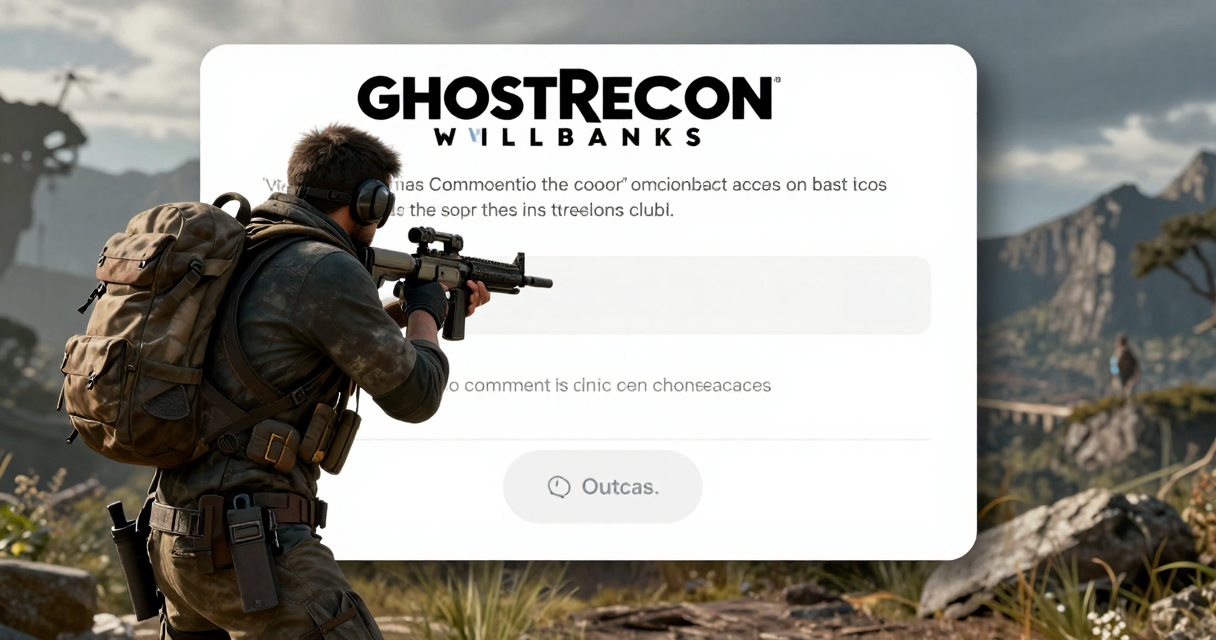
The real brilliance of the update was how it framed the monetization as a natural extension of player desires. The “Outcast” faction wasn’t just a new enemy type; it was a way to introduce new weapons, vehicles, and cosmetics that players could buy. The “Special Assignment” system wasn’t just a grind; it was a way to gatekeep the best rewards behind time or money. This approach ensured that even free updates generated revenue, proving that community-driven content doesn’t have to be a loss leader. When done right, it can be one of the most profitable strategies in the industry.
Why Community-Driven Updates Are the Future of Shooter Monetization
Community-driven updates aren’t just a trend; they’re the future of shooter monetization. The reason is simple: players are more likely to spend money on content they feel they helped create. Halo Infinite’s shift to a free-to-play model was a direct response to community backlash over its initial monetization, but the real win was introducing a battle pass that players could influence through feedback. The more developers listen, the more players feel invested, and the more they’re willing to spend. This creates a self-sustaining cycle where updates drive engagement, engagement drives spending, and spending funds future updates.
The key is balancing player desires with monetization. Escape from Tarkov’s community constantly demands new maps and weapons, but Battlestate Games doesn’t just add them for free. Each new addition comes with a price tag, whether it’s a new expansion or exclusive in-game items. The same goes for Counter-Strike 2, where Valve monitors skin trading volumes and adjusts drop rates to keep the market active. The best community-driven updates don’t just make players happy; they make them open their wallets. As long as developers keep this balance, community-driven monetization will remain the most effective way to turn player feedback into profit.

I have spent the last decade exploring the intersection of competitive gaming and the evolving landscape of online casinos. My passion lies in dissecting iGaming mechanics and hunting down the most transparent bonus offers for players.
Leave a Reply