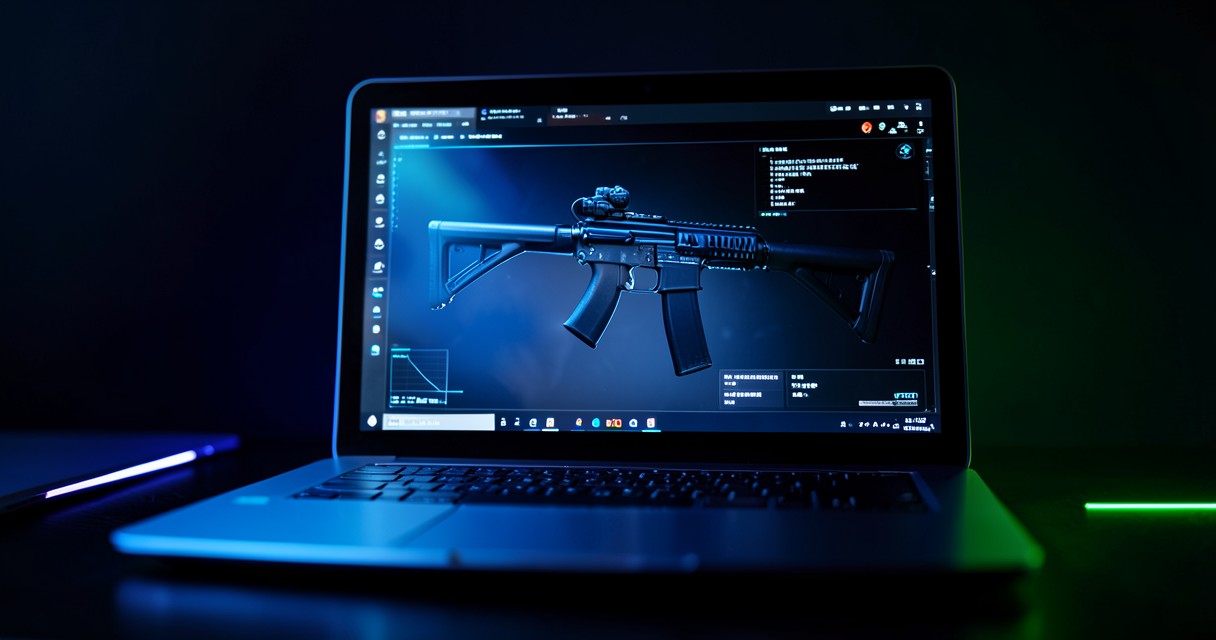
Weapon realism in modern shooters has evolved from a niche preference into a major selling point that shapes player engagement, in-game economies, and even casino-style bonus mechanics. Developers now treat firearms as more than just tools for eliminating opponents, they become collectible assets, progression milestones, and sometimes even virtual commodities with real-world value. In competitive shooters like Counter-Strike 2, the accuracy of a weapon’s recoil pattern or the sound of a bolt-action rifle can determine whether a player secures a high-stakes match, which directly impacts their ability to unlock exclusive skins or betting tokens. Meanwhile, looter-shooters such as Escape from Tarkov blur the line between simulation and gameplay by introducing ballistic systems that mimic real-world physics, turning every shot into a calculated risk that rewards skill with rare loot drops or in-game currency. This level of detail doesn’t just appeal to military enthusiasts; it creates a deeper layer of strategy that casinos and gaming platforms leverage to keep players invested through weapon-themed promotions, leaderboard rewards, and even slot machines inspired by iconic firearms.
How Weapon Physics Influence Player Retention in Competitive Shooters
In competitive shooters like Valorant and CS2, weapon realism isn’t just about aesthetics, it’s a core mechanic that dictates player retention and monetization. The recoil patterns of rifles such as the AK-47 or M4A1 are meticulously balanced to require skill, meaning players who master them gain a tangible advantage in ranked matches. This skill-based progression keeps users engaged longer, as they grind to improve their accuracy and unlock higher-tier weapon skins, which often come with exclusive casino-style bonuses. For example, CS2’s skin economy allows players to trade or bet their weapon finishes on third-party sites, turning virtual firearms into assets with real-world value. Similarly, Valorant’s weapon customization system ties directly into its battle pass, where players earn in-game currency by completing challenges, which can then be spent on new gun skins or even converted into casino tokens through partnered promotions. The more realistic the weapon feels, the more invested players become, as every shot carries weight in both gameplay and potential rewards.
Developers also use weapon physics to create distinct meta shifts, forcing players to adapt their strategies and spend money on new loadouts. In Rainbow Six Siege, operators’ unique gadgets and weapon attachments alter recoil and damage output, making certain guns more viable in specific scenarios. This dynamic keeps the game fresh and encourages players to purchase seasonal battle passes or cosmetic bundles to stay competitive. Casinos and gaming platforms capitalize on this by offering weapon-themed promotions, such as “Double XP Weekends” for players who use specific firearms or “Rifle Roulette” bonuses where players spin a wheel for a chance to win rare skins. The realism of these weapons isn’t just a technical achievement, it’s a monetization strategy that keeps players logging in for both the thrill of competition and the promise of rewards.
The Role of Weapon Customization in Looter-Shooters and Gambling Mechanics
Looter-shooters like Escape from Tarkov and Hunt: Showdown take weapon realism to another level by treating firearms as modular systems that players must assemble, maintain, and optimize. Every attachment, from suppressors to extended magazines, affects a gun’s performance, creating a deep customization layer that mirrors real-world ballistics. This level of detail isn’t just for immersion; it’s a core gameplay loop that drives player spending and engagement. In Tarkov, players scavenge for rare weapon parts, which can be sold on the in-game flea market or used to craft high-value firearms. The game’s economy is so intricate that some players treat it like a stock market, buying low and selling high to accumulate in-game currency, which can then be used to purchase casino-style loot boxes or insurance policies for their gear. This creates a gambling-like thrill, where the risk of losing a high-value weapon in a raid is balanced by the potential reward of finding even rarer loot.
Casinos and gaming platforms have noticed this trend and started integrating weapon customization into their bonus systems, reflecting themes trends in upcoming slot games. For example, some online casinos offer “Weapon Upgrade” promotions, where players can spin a wheel to win in-game currency or exclusive skins for popular shooters, as part of recent slot game updates. Others partner with looter-shooters to provide real-money betting on in-game item drops, turning weapon realism into a lucrative side hustle for players. Hunt: Showdown takes this a step further by introducing a permadeath system where players lose their customized weapons upon death, adding a layer of tension that mirrors high-stakes gambling. The more realistic the weapon mechanics, the more players are willing to invest, both time and money, to gain an edge, making weapon customization a powerful tool for retention and monetization in the iGaming industry.
Sound Design and Weapon Realism: How Audio Shapes Player Behavior
Sound design in modern shooters is often overlooked, but it plays a crucial role in weapon realism and player behavior. The distinct crack of a sniper rifle or the metallic clink of an empty magazine can trigger immediate reactions, turning audio cues into tactical advantages. In CS2, the sound of a footstep or a weapon being reloaded can mean the difference between winning a round and losing a bet on a third‑party skin gambling site, especially when comparing cloud gaming to local gaming. Developers use binaural audio and dynamic sound propagation to create immersive environments where players can pinpoint enemy positions based on gunfire alone. This level of detail isn’t just for immersion, it’s a skill-based mechanic that rewards attentive players with better performance, which in turn increases their chances of earning in-game currency or exclusive casino bonuses.
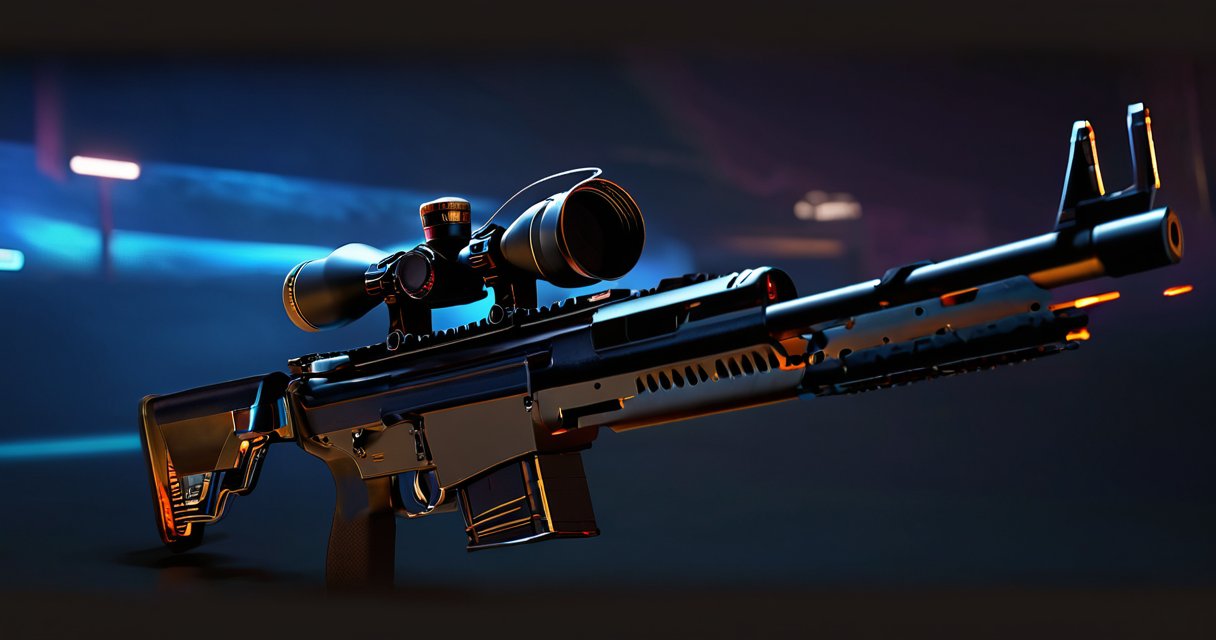
Casinos and gaming platforms leverage this realism by creating slot game machines and bonus rounds. For example, some online casinos feature “Sniper Slots” where players trigger free spins by landing on specific weapon sounds, or “Reload Roulette” where the reloading animation of a virtual rifle determines the payout. The more realistic the sound design, the more engaging these casino games become, as players associate the audio cues with the thrill of combat. In competitive shooters, competitive balance is affected by sound design and influences player spending. Games like Valorant offer weapon skins with unique audio effects, such as the “Prime Vandal” skin, which replaces the standard gunfire sound with a deeper, more satisfying bass. Players are willing to pay premium prices for these skins because they enhance both immersion and performance, making sound design a key factor in monetization.
Weapon Realism as a Marketing Tool for Casino and iGaming Promotions
Weapon realism has become a powerful marketing tool for casinos and iGaming platforms, as it creates a direct link between shooter games and gambling mechanics. Developers and casino operators collaborate to design weapon-themed promotions that appeal to both gaming and betting audiences. For example, some online casinos offer “Weapon Master” bonuses, where players can unlock free spins or cash rewards by completing in-game challenges, such as getting a certain number of kills with a specific firearm. These promotions are often tied to popular shooters, such as Call of Duty or Battlefield, and are advertised through in-game events or social media campaigns. The more realistic the weapon mechanics, the more effective these promotions become, as players are more likely to engage with content that feels authentic and rewarding.
Another way casinos capitalize on weapon realism is through RNG technology used in modern slot machines, via skin betting and loot box mechanics. In CS2, players can bet their weapon skins on third-party sites, turning virtual firearms into tradable assets with real-world value. Some casinos have integrated this concept into their platforms, offering “Weapon Skin Gambling” where players can wager their in-game items for a chance to win bigger prizes. This creates a seamless transition between gaming and gambling, as players who enjoy the realism of shooters are more likely to engage with casino-style mechanics that mirror their in-game experiences. Additionally, some iGaming platforms host weapon-themed tournaments, where players compete for cash prizes or exclusive skins, further blurring the line between competitive gaming and gambling. The realism of these weapons isn’t just a technical feature, it’s a marketing hook that keeps players engaged across multiple platforms.
The Impact of Weapon Realism on Esports and Betting Markets
Esports has turned weapon realism into a spectator sport, where the nuances of gunplay can determine the outcome of million-dollar tournaments. In games like CS2 and Valorant, professional players rely on weapon mechanics such as recoil control, bullet spread, and damage drop-off to gain an edge over their opponents. This level of detail makes esports matches more exciting to watch, as viewers can appreciate the skill required to master each firearm. Casinos and betting platforms have taken notice, offering live odds and prop bets on weapon-specific outcomes, such as which player will get the most kills with a sniper rifle or which team will secure the first AK-47 kill. The more realistic the weapons, the more engaging these bets become, as they add an extra layer of strategy for both players and spectators.
Betting markets have also evolved to reflect the realism of modern shooters. Some platforms allow players to bet on in-game events, such as whether a player will land a headshot with a specific weapon or whether a team will successfully plant the bomb using a particular firearm. These bets are often tied to real-time data from esports matches, creating a dynamic and interactive experience for viewers. Additionally, some casinos offer weapon-themed slot machines that feature esports teams or iconic firearms, further bridging the gap between gaming and gambling. The realism of these weapons isn’t just a gameplay feature, it’s a driving force behind the growth of esports betting, as it provides bettors with more ways to engage with their favorite games and teams.
Weapon Realism and In-Game Economies: How Virtual Firearms Drive Spending
Weapon realism has transformed in-game economies into complex systems where virtual firearms hold real-world value. In games like CS2 and Escape from Tarkov, weapons are more than just tools, they’re assets that can be bought, sold, and traded on secondary markets. The realism of these firearms, from their recoil patterns to their damage models, determines their desirability and price. For example, a well-worn AK-47 with a rare skin can sell for hundreds of dollars on the Steam Community Market, while a high-tier weapon in Tarkov can be worth thousands of rubles in the in-game economy. This creates a thriving marketplace where players treat virtual firearms like stocks, buying low and selling high to maximize their profits. Casinos and gaming platforms have tapped into this trend by offering weapon-themed promotions, such as “Gun Rush” bonuses where players can win in-game currency or exclusive skins by participating in special events.
The realism of these weapons also drives spending on microtransactions and battle passes. In games like Call of Duty: Warzone, players can purchase weapon blueprints that alter the appearance and performance of their firearms. These blueprints often come with unique camos, animations, and even audio effects, making them highly sought after. Some casinos have partnered with shooter developers to offer weapon blueprints as prizes in their promotions, creating a direct link between gaming and gambling. For example, a player might spin a roulette wheel for a chance to win a rare weapon skin, or complete a set of challenges to unlock a limited-edition firearm. The more realistic the weapon mechanics, the more players are willing to spend on these microtransactions, as they enhance both performance and prestige in the game.

I have spent the last decade exploring the intersection of competitive gaming and the evolving landscape of online casinos. My passion lies in dissecting iGaming mechanics and hunting down the most transparent bonus offers for players.
Leave a Reply