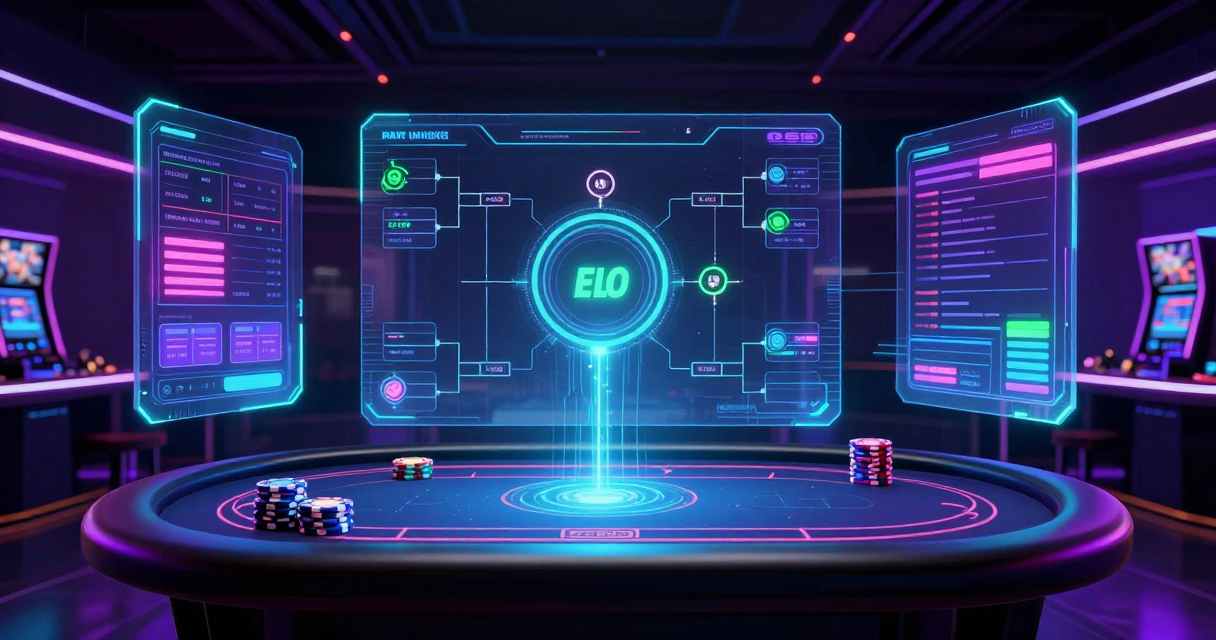
Matchmaking systems in online casinos and competitive gaming platforms are the invisible engines that keep players engaged, spending, and coming back. These algorithms decide who sits at which poker table, which slot tournaments you qualify for, and even which opponents you face in skill-based games like blackjack or esports betting. A well-tuned matchmaking system doesn’t just pair players randomly; it balances skill, betting patterns, and session duration to maximize both player satisfaction and house revenue. For iGaming operators, this means fewer frustrated high rollers leaving tables and more consistent microtransactions in free-to-play casino apps. The stakes are high, because a single bad match can cost a player’s trust, and their next deposit.
How Skill-Based Matchmaking Works in Casino Games
Skill-based matchmaking in iGaming typically relies on Elo or Glicko rating systems, adapted from chess and esports. In poker, for example, your rating starts at 1500 and adjusts after every hand based on whether you win or lose, and by how much. A player who consistently beats weaker opponents gains fewer points than someone who upsets a high-rated table. This prevents “smurfing,” where experienced players create new accounts to dominate novices. Some platforms, like PokerStars, also factor in betting speed and aggression metrics, creating a hidden skill score that determines table assignments. The goal isn’t just fairness; it’s keeping the game profitable by ensuring no single player can exploit the system for long.
Live dealer games complicate this further. A blackjack table might use a hybrid system that considers both your win rate and your average bet size. High rollers get matched with tables that have higher minimum bets, while casual players are grouped to keep the action flowing without scaring off newcomers. This segmentation is crucial for retention, as players who feel outmatched tend to leave, and take their bonuses with them. Operators like Evolution Gaming have even patented systems that adjust matchmaking based on real-time player behavior, such as how often a player hits “deal” or requests a new shoe.
The Role of RNG in Matchmaking Algorithms
Random number generators aren’t just for slot spins; they’re a core part of how matchmaking systems distribute players across casino lobbies. In games like roulette or baccarat, where skill plays a minor role, matchmaking often uses RNG to assign seats at tables with varying bet limits. This ensures that a player depositing $100 isn’t immediately seated next to someone betting $10,000, which could either intimidate the smaller player or bore the high roller. Some platforms, like Betway, use weighted RNG to prioritize tables where the player’s preferred betting range is most active, increasing the chances they’ll stay and play longer.
The RNG also helps combat collusion, a major issue in online poker. By randomly shuffling players between tables every few hands, the system makes it harder for teams to coordinate against a single target. This is especially important in tournaments, where collusion can distort prize pools. Operators like partypoker have implemented “dynamic table balancing,” where the RNG not only assigns seats but also adjusts blind levels and payout structures based on the skill distribution of the remaining players. The result is a more unpredictable, and thus more engaging, tournament experience.
Behavioral Matchmaking in Free-to-Play Casino Apps
Free-to-play casino apps rely on behavioral matchmaking to keep players spending without feeling pressured. These systems track how often you play, which games you prefer, and how quickly you burn through virtual currency. If you’re a “whale” who buys in-game coins in bulk, the app might match you with other high-spenders in exclusive tournaments or VIP tables. Conversely, if you’re a “minnow” who only plays with free chips, the system will group you with similar players to avoid frustration. Apps like Zynga Poker use this data to adjust the difficulty of opponents, ensuring that even casual players win often enough to stay engaged.
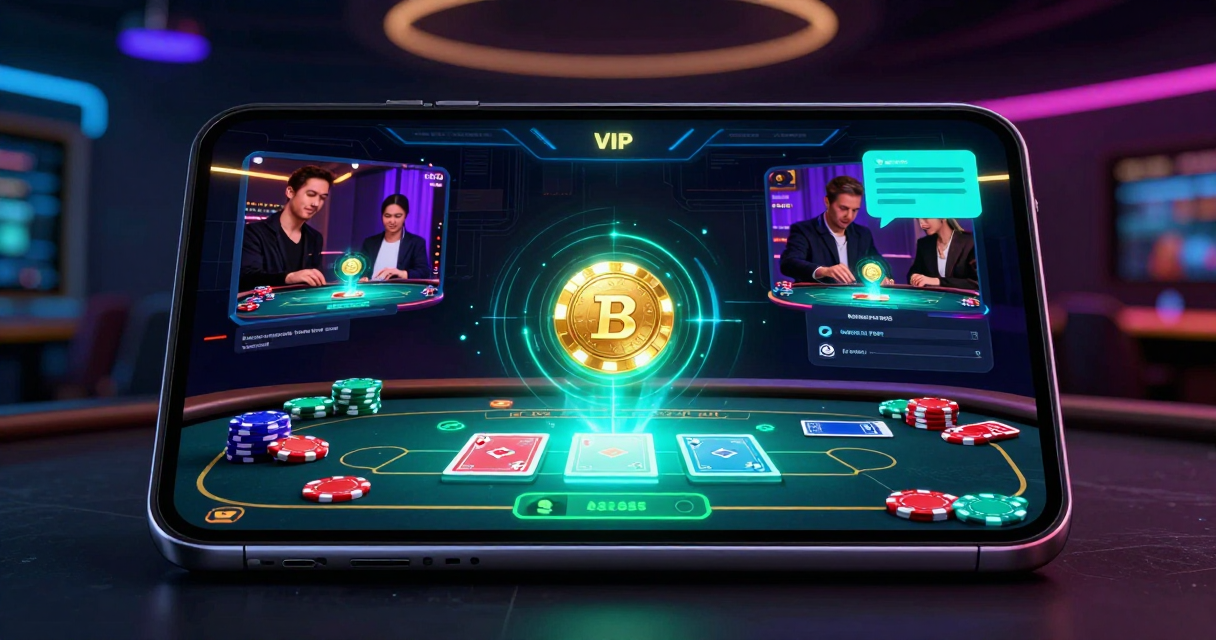
Some apps take this further by incorporating social matchmaking. If you frequently chat with certain players or join the same tables, the system might prioritize pairing you together. This creates a sense of community, which is critical for retention in free-to-play environments. However, it also introduces risks, like “friendly collusion,” where players team up to exploit bonuses. To counter this, platforms like Huuuge Casino use machine learning to detect unusual patterns, such as two players always betting the same way in blackjack or splitting pots in poker. When detected, the system either separates the players or flags their accounts for review.
Matchmaking and Bonus Abuse in iGaming
Bonus abuse is a constant headache for iGaming operators, and matchmaking systems play a key role in preventing it. Many casinos offer deposit bonuses, like “100% up to $200,” but these can be exploited if players create multiple accounts to claim the same bonus repeatedly. To combat this, matchmaking algorithms cross-reference IP addresses, device IDs, and betting patterns to identify potential abusers. If two accounts with the same IP consistently join the same tables and split winnings, the system will either block them from playing together or void their bonuses. Sites like 888 Casino have even introduced “bonus matchmaking,” where players who claim the same promotion are automatically grouped into separate tables to prevent collusion.
Another tactic is “skill-based bonus allocation,” where the matchmaking system adjusts bonus eligibility based on a player’s history. For example, a high-volume player might only qualify for a 50% deposit bonus, while a newcomer gets the full 100%. This prevents experienced players from “bonus hunting,” where they claim multiple bonuses across different sites to grind out profits. Some operators, like Bet365, go further by using matchmaking to phase out bonuses entirely for players who consistently beat the house. Instead, these players are offered cashback or loyalty rewards, which are harder to exploit and more profitable for the casino in the long run.
Real-Time Matchmaking Adjustments in Live Casino Streams
Live casino streams, like those on Twitch or YouTube, have introduced a new layer of complexity to matchmaking. Operators now need to balance not just the players at the table, but also the audience watching. A high-stakes poker stream with a celebrity host might use matchmaking to ensure the table includes a mix of skilled players and entertaining personalities. This keeps the action unpredictable and engaging for viewers, which is crucial for sponsorships and ad revenue. Platforms like PokerGO have experimented with “audience-influenced matchmaking,” where viewers can vote to adjust blind levels or even swap out players mid-game.
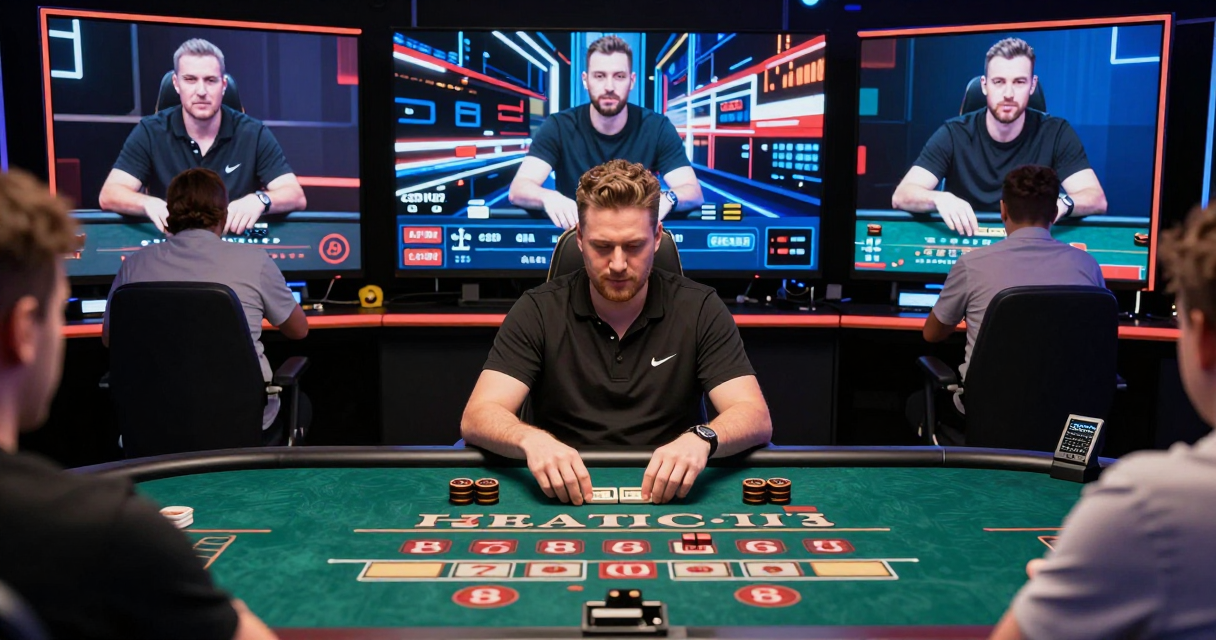
The real-time nature of live streams also means matchmaking systems must adapt on the fly. If a player disconnects or leaves the table, the system needs to find a replacement quickly to avoid disrupting the flow. Some operators, like Unibet, use “reserve pools” of players who are pre-matched and ready to join at a moment’s notice. These players are often incentivized with small bonuses or exclusive table access to ensure they’re always available. The system also monitors latency and connection quality, prioritizing players with stable internet to prevent lag from ruining the experience for everyone else.
Future Trends in iGaming Matchmaking Systems
The next frontier in iGaming matchmaking is predictive analytics, where algorithms anticipate a player’s behavior before they even log in. Operators like DraftKings are testing systems that analyze your past sessions to predict when you’re likely to deposit, which games you’ll play, and how long you’ll stay. This allows the matchmaking system to pre-load tables with players who have similar habits, reducing wait times and increasing engagement. For example, if the system knows you usually play blackjack on Friday nights, it might reserve a seat for you at a table with a dealer you’ve enjoyed in the past.
Another emerging trend is “cross-platform matchmaking,” where players from mobile, desktop, and even VR casinos are matched together. This is already happening in esports betting, where platforms like Betway allow players to bet on matches regardless of which device they’re using. The challenge is ensuring a level playing field, as mobile players might have slower reaction times than those on PC. To address this, some operators are introducing “input delay compensation,” where the matchmaking system adjusts the game’s mechanics to account for differences in hardware. This could mean slower card reveals in mobile poker or longer betting windows in live blackjack.
Finally, blockchain-based matchmaking is gaining traction, particularly in decentralized casinos. Platforms like Bitcasino use smart contracts to create transparent, tamper-proof matchmaking systems. Every player’s skill rating, betting history, and even their wallet balance are recorded on the blockchain, making it impossible for operators to manipulate table assignments. This appeals to high rollers who distrust traditional casinos, as it ensures they’re always matched with players of similar skill and bankroll. While still niche, this approach could redefine trust in iGaming, especially as more players demand provably fair systems.

I have spent the last decade exploring the intersection of competitive gaming and the evolving landscape of online casinos. My passion lies in dissecting iGaming mechanics and hunting down the most transparent bonus offers for players.
Leave a Reply