
The first-person shooter market dominates the computer gaming landscape and drives significant engagement within the broader iGaming ecosystem, yet not all shooters are designed with the same philosophy or target audience in mind. Fans visiting online platforms and casinos often seek the same adrenaline rush found in competitive video games, making it essential to understand the distinct mechanical and psychological differences between arcade and tactical shooters. These two genres represent opposite ends of the spectrum regarding realism, pacing, and the skill sets required to succeed. Arcade shooters focus on fast movement, instant gratification, and high spectacle, while tactical shooters demand patience, communication, and strategic execution. Recognizing these disparities helps players choose the experience that suits their playstyle and allows industry observers to better predict trends in game bonuses, esports betting markets, and player retention strategies.
The Foundation of Movement and Speed
Arcade shooters prioritize fluid, rapid movement mechanics that allow players to traverse maps with exaggerated speed and agility. In titles like Call of Duty or Overwatch, characters often possess the ability to sprint indefinitely, double jump, or utilize jetpacks to create verticality and chaos. This design philosophy encourages a playstyle where staying mobile is the primary defense mechanism, and the physical laws of the game world are bent to facilitate constant action. The pacing is relentless, forcing players to rely on twitch reflexes rather than careful positioning. This high-speed environment creates frequent encounters and high kill counts, which appeals to players looking for immediate dopamine hits rather than methodical gameplay.
Tactical shooters, such as Counter-Strike or the military simulators often featured on specialized gaming sites, enforce strict movement penalties to simulate realistic human limitations. Players moving quickly while shooting will suffer from massive accuracy penalties, encouraging a stop-and-pop rhythm where positioning is more valuable than speed. Walking, crouching, and even using analog leaning mechanics become vital tools to gain a sight advantage without exposing one’s body to enemy fire. The slower pace does not imply a lack of intensity, but rather shifts the focus from physical dexterity to mental anticipation and map control. This distinction is crucial for understanding the betting markets on esports events, as the frequency of kills in tactical shooters is significantly lower, making each round outcome harder to predict but potentially more valuable for informed bettors.
Weapon Mechanics and Time to Kill
The time to kill, or TTK, serves as a defining metric that separates arcade experiences from tactical simulations. Arcade shooters typically feature a longer TTK, allowing players to absorb multiple bullets or shots before dying, which creates opportunities for outplaying opponents through raw mechanical skill and movement. This design often incorporates health regeneration systems, enabling a lone player to take cover, heal up, and re-enter the fight immediately. Weapons in these games usually have very little recoil and projectile travel time is often non-existent due to hitscan coding, making aiming purely a matter of tracking the target. The forgiving nature of these mechanics ensures that new players can still contribute to the match without being instantly punished for minor positioning errors.
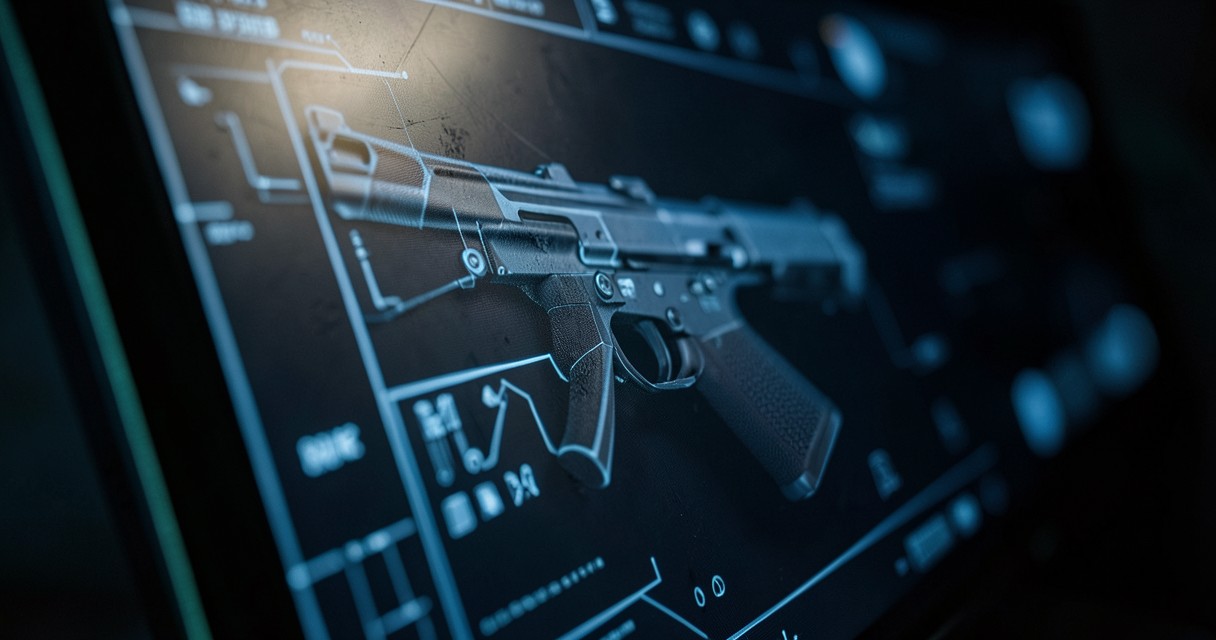
Conversely, tactical shooters are characterized by a low TTK where a single well-placed bullet or a short burst can eliminate a target instantly. Health pools are low and rarely regenerate without the use of a specific item or teammate assistance, meaning every engagement carries permanent weight for that round. Weapons behave realistically, featuring complex recoil patterns, bullet drop over distance, and the need to account for travel time. While mastering spray control and tap firing techniques is crucial in shooters, understanding basic casino strategies can also improve decision-making under pressure. This unforgiving nature elevates the importance of the first shot accuracy and crosshair placement, turning gunfights into brief, decisive moments rather than prolonged duels. For the iGaming industry, this means tactical shooters often highlight individual brilliance and clutch moments, which are heavily marketed in promotional materials and bonus offers for tournament viewers.
Economic Systems and Resource Management
Unlike arcane shooters, which simplify economic management, Slot game mechanics focus on keeping players engaged through constant action and rewards. Loadouts are often customizable but persistent, allowing players to use their favorite weapons and gadgets regardless of their performance in the previous match. Progression systems in these games are usually tied to external meta-games like battle passes or experience levels, rewarding time spent playing rather than success within a specific match. This approach reduces the barrier to entry for casual players who might not want to calculate the cost of a flashbang versus a rifle every few minutes. It aligns with the “pick up and play” mentality common in casual gaming sectors, ensuring that the fun factor remains uninterrupted by spreadsheet management.
In the tactical genre, the in-game economy acts as a critical layer of strategy that can determine the outcome of a match just as much as shooting skill. With the rise of Cloud gaming technology, even resource-intensive games like Counter-Strike: Global Offensive and its successors can now be streamed, though their in-game economy systems remain unchanged. This macro-strategic element adds a poker-like dimension to the gameplay where reading the opponent’s economic situation is vital. Teams must synchronize their spending to ensure they have the necessary utility, such as smoke grenades and molotovs, to execute specific map strategies. This depth creates a rich field for analysts and bettors, as understanding the money flow allows one to predict which team is likely to win an eco-round versus a full-buy round, adding significant value to the spectator experience.
The Impact on Esports Betting Markets
The Esports influence on shooter development has led to significant structural differences between genres, shaping how they are consumed in competitive and betting industries. Arcade shooters, with their chaotic gameplay and high frequency of kills, offer a multitude of live betting options, such as total maps played, first blood, or individual player performance. The volatility of these matches makes them exciting for prop bets, as the momentum can shift rapidly within seconds. However, the sheer number of variables and random elements, such as ultimate abilities or power-ups, can sometimes make consistent analysis difficult for professional handicappers. The visual spectacle of arcade shooters draws massive viewership numbers, which naturally translates into high volume betting activity during major tournaments.

I have spent the last decade exploring the intersection of competitive gaming and the evolving landscape of online casinos. My passion lies in dissecting iGaming mechanics and hunting down the most transparent bonus offers for players.
Leave a Reply