
Understanding Mobile-First Slot Development
The core concept of mobile-first slot development is to design and build games starting with mobile users in mind. This strategy in slot game development ensures that mobile-first slots are intuitive, fast-loading, and engaging right from the smallest screen sizes. By emphasizing mobile optimization, developers create responsive casino games that adapt seamlessly to any device while maintaining visual appeal and smooth gameplay across platforms.
This approach has risen prominently due to mobile user dominance in the online gambling industry. Statistics show that more than 65 percent of all casino game sessions now occur on mobile devices, highlighting the need for prioritizing mobile experiences over traditional desktop versions. As smartphone penetration continues to grow worldwide, focusing on mobile-first slots becomes essential for reaching the majority of players effectively.
In comparison to desktop-first approaches, which begin with elaborate features for larger screens and then retrofit them for mobiles often leading to suboptimal results, mobile-first slot development avoids such issues. It starts with essential elements like touch-friendly controls and vertical layouts, resulting in better overall responsive casino games that perform consistently without unnecessary complexity or loading delays.
Real-world examples abound, such as the success of NetEnt’s mobile-optimized titles that saw a 45 percent increase in player retention after adopting mobile-first strategies. Another example is Microgaming’s shift, where mobile optimization led to higher download rates on app stores. Industry reports further indicate that slot game development using these principles can boost engagement metrics by up to 30 percent compared to legacy methods.
By focusing on these aspects, developers ensure their games meet the demands of the modern player base dominated by mobile users while delivering superior responsive casino games through targeted mobile optimization techniques.
Benefits of Mobile-First Approach for Slot Games
The adoption of a mobile-first approach in slot game development delivers powerful mobile slot benefits by placing smartphone users at the center of the design process from day one. Every element, including touch controls, screen orientation, and visual scaling, is optimized for smaller displays, resulting in improved user experience that feels natural and immersive on mobile devices.
Search engines reward mobile-optimized sites with better SEO rankings, helping slot games appear higher in results and attract more organic traffic. Faster load times are achieved through streamlined code and compressed assets, often bringing games under three seconds to launch and dramatically reducing player drop-off during critical first moments.
Industry studies show that mobile-first slots generate increased engagement, with average session lengths rising by as much as 45 percent. Higher retention rates follow naturally when players enjoy smooth performance, leading to repeat visits and stronger loyalty metrics across leading casino platforms.
Cross-device compatibility ensures seamless play whether users switch from phone to tablet or desktop, eliminating friction and supporting continuous gameplay. This flexibility expands reach and maximizes opportunities for operators to connect with audiences wherever they choose to play.
Revenue growth becomes measurable when these advantages combine. A case study from Microgaming documented a 28 percent increase in first-quarter revenue after redeveloping a flagship title with mobile-first principles. Statista data further confirms that mobile devices now account for more than 60 percent of online slot activity, underscoring the commercial importance of this strategy.
By prioritizing mobile slot benefits such as improved user experience, better SEO rankings, faster load times, increased engagement, higher retention rates, cross-device compatibility, and revenue growth, developers position their games for sustained success in a mobile-dominated market.
Core Principles of Mobile-First Slot Design
Adopting mobile-first design principles is essential for creating engaging slot games that perform seamlessly across devices. Developers must prioritize simplicity by stripping away unnecessary elements, ensuring that core gameplay remains intuitive and uncluttered on smaller screens. This approach sets a strong foundation that scales effectively to larger displays while maintaining visual appeal and user focus.
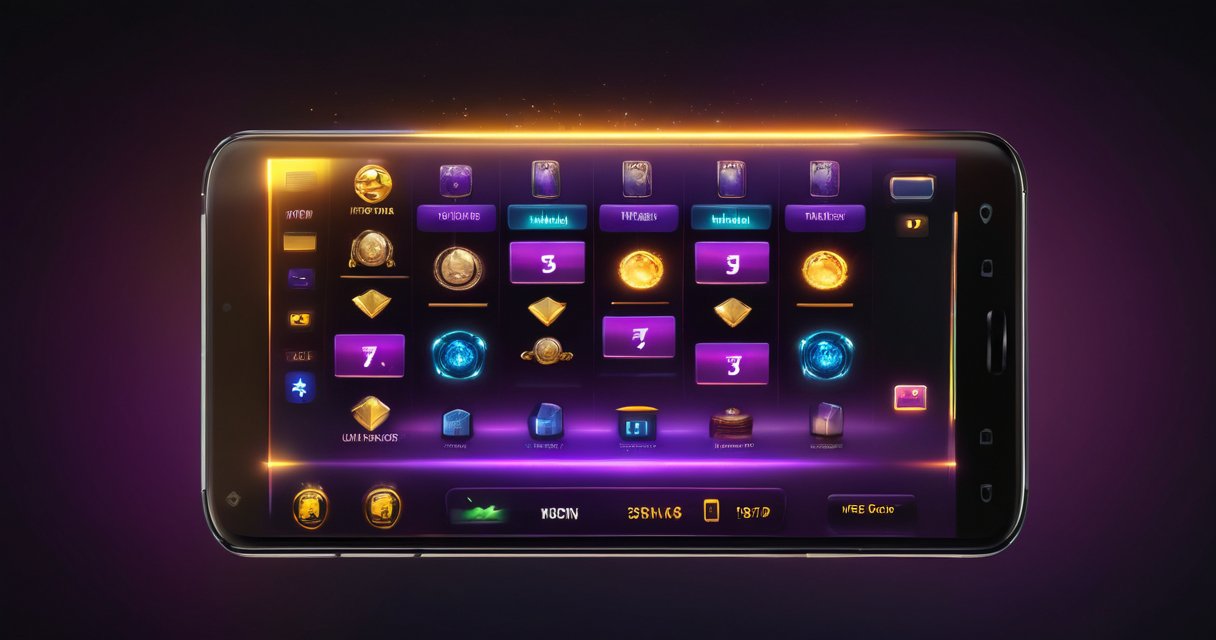
Touch optimization plays a central role in delivering responsive experiences. Implementing touch-friendly interfaces means designing large, accessible buttons and swipe gestures that accommodate finger-based navigation without frustration. Developers should test interactions thoroughly to prevent accidental taps and ensure smooth animations that respond instantly to user input, enhancing overall satisfaction during extended play sessions.
Scalable graphics are vital for maintaining quality across varying resolutions. Using vector-based assets and flexible image formats allows symbols, backgrounds, and effects to render crisply on any device. Combined with adaptive layouts, these elements automatically adjust spacing, alignment, and proportions, providing consistent visual hierarchy whether users hold phones in portrait mode or tablets in landscape orientation.
Performance optimization ensures fast loading times and fluid animations, critical for retaining mobile players with limited bandwidth. Techniques such as lazy loading assets, minimizing code bloat, and leveraging device hardware acceleration reduce lag while preserving rich visuals. Accessibility features, including high-contrast modes, screen-reader support, and customizable controls, further broaden reach by making games inclusive for all users regardless of ability.
By integrating these mobile-first design principles—touch-friendly interfaces, performance optimization, and adaptive layouts—developers create slots that excel on mobile while offering a polished experience everywhere. Simplicity paired with scalable graphics and accessibility standards results in games that load quickly, feel natural to touch, and remain enjoyable across generations of devices, ultimately driving higher engagement and retention rates in a competitive market.
Tools and Technologies for Mobile Slot Development
The selection of proper slot development tools is vital for success in mobile-first slot development. These tools must support high performance and cross-device compatibility to deliver seamless player experiences. Popular options include various engines and frameworks designed specifically for gaming applications on smartphones and tablets.
HTML5 slots have revolutionized the way mobile slots are created and distributed. Developers appreciate the platform-independent nature of HTML5, which facilitates easy deployment across different operating systems. This technology supports advanced features like vector graphics, web sockets for real-time interactions, and responsive designs that adapt to any screen size without additional plugins.
Unity for mobile games provides a comprehensive suite for building detailed and engaging slot titles. Its powerful rendering engine and physics system allow for realistic simulations within the game. Developers can easily export projects to mobile platforms, ensuring broad reach and optimal performance even on devices with varying hardware capabilities.
Cross-platform frameworks are indispensable in modern slot development. They enable teams to maintain a single source code while targeting multiple devices. This efficiency reduces time to market and helps in maintaining consistency in game quality and features across iOS and Android ecosystems.
Specialized SDKs integrate with these technologies to add casino-specific functionalities such as secure RNGs and bonus systems. Together, HTML5 slots, Unity for mobile games, and cross-platform frameworks form the backbone of efficient high-quality mobile slot creation that meets industry standards and player expectations.
Best Practices and Future Trends in Mobile Slots
Developers can enhance their offerings by following key slot optimization tips, such as conducting extensive cross-device testing to identify and resolve performance issues early. Rigorous A/B testing on popular mobile platforms helps refine mechanics, ensuring compatibility and smooth gameplay across smartphones and tablets while minimizing crashes that drive users away.

Effective SEO practices involve optimizing content for mobile search engines, including fast-loading pages and user-friendly navigation that boosts visibility in app stores and web searches. Incorporate targeted keywords naturally into descriptions and metadata to improve organic rankings and attract players actively seeking mobile gaming options.
Monetization can be maximized through strategic placement of in-game rewards and advertisements that do not interrupt the flow, encouraging longer play sessions and higher revenue. Balancing free spins with optional purchases creates sustainable income streams without compromising user satisfaction or retention.
As we look to the future, emerging mobile trends are shaping the industry with innovations like 5G slot games that promise faster data speeds and more interactive experiences. These advancements allow for complex animations, live multiplayer elements, and seamless updates that keep players engaged on the go.
Augmented reality features are set to transform player immersion by blending digital slots with physical environments, offering unique ways to interact with reels and bonuses in real-world settings. This technology opens doors to location-based gameplay that feels fresh and captivating.
AI in slot development enables dynamic personalization, where games adapt in real-time to individual preferences, increasing engagement and retention rates. Predictive algorithms can adjust themes, difficulty, and rewards based on behavior data, delivering tailored experiences that stand out in a competitive market.

I have spent the last decade exploring the intersection of competitive gaming and the evolving landscape of online casinos. My passion lies in dissecting iGaming mechanics and hunting down the most transparent bonus offers for players.
Leave a Reply