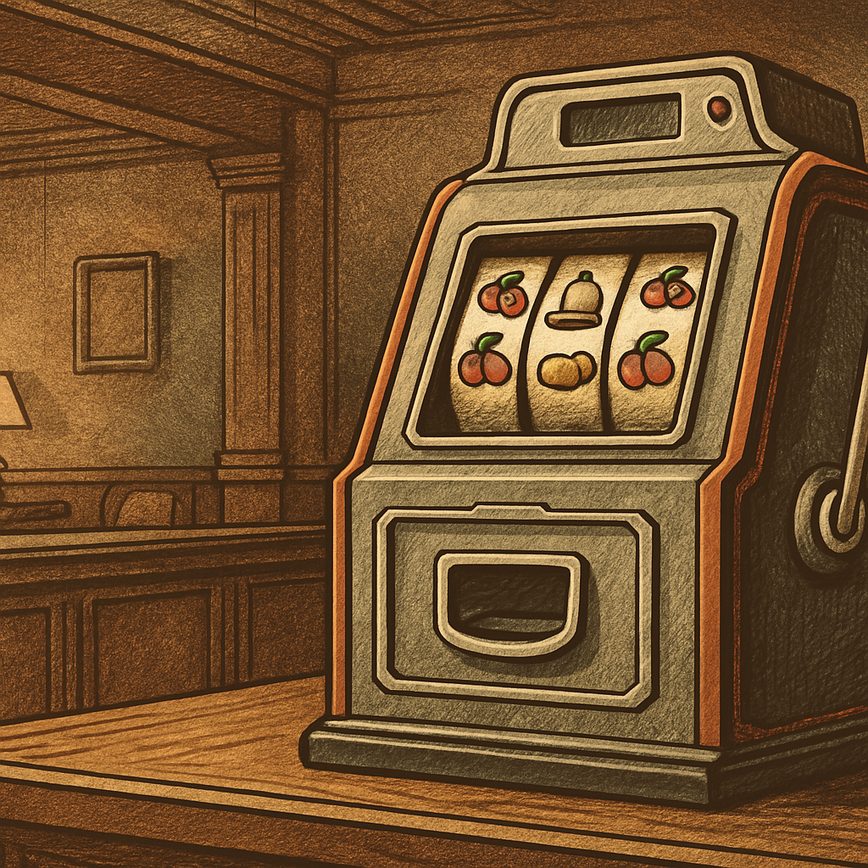
Early Graphics in Slot Games
The origins of slot game graphics trace back to the era of mechanical slots, where simplicity was key. Classic slot graphics featured mechanical reels adorned with basic, easily recognizable symbols such as fruits, bells, bars, and sevens. These early slot visuals were designed to be clear and straightforward, ensuring that players could quickly identify winning combinations at a glance.
Mechanical slots operated using physical spinning reels, which limited the complexity of the artwork. The symbols were painted or printed directly onto the metal reels, resulting in a fixed set of images that became iconic within the gaming community. This simplicity in design also contributed to the charm and nostalgic appeal of classic slot machines that many players still appreciate today.
Early slot visuals focused primarily on function over form, with a clear emphasis on easy-to-understand symbols and mechanical movement. The reels spun physically, creating a tactile and auditory experience that complemented the visual simplicity. The limitations of technology at the time meant that animations and digital effects were nonexistent; instead, the classic slot graphics relied on bright colors and bold shapes to attract players’ attention.
Despite their rudimentary nature, these classic slot graphics laid the groundwork for the evolution of slot game aesthetics. The iconic symbols from the mechanical slots era continue to influence modern slot design, proving that simplicity and clarity in early slot visuals were essential to their lasting popularity. These early designs helped establish the fundamental language of slot symbols that players worldwide still recognize today.
Mechanical Reels and Symbol Design
Mechanical reels were the heart of early slot machines, operating through a straightforward yet ingenious system. These machines featured physical reels that spun when a lever was pulled or a button pressed, eventually coming to a stop to display a combination of slot symbols. Each reel was marked with various symbols, and the outcome depended on the alignment of these icons across a payline. The reels themselves were typically driven by gears and springs, creating a tactile and mechanical experience that defined the classic slot gameplay.
Classic slot symbols, such as fruits, bells, and sevens, have intriguing histories tied to both gambling tradition and practical design. Fruit symbols—cherries, lemons, oranges, and plums—originated from early “fruit machines,” which paid out chewing gum or candy instead of money. These fruits visually differentiated the symbols while appealing to players with their bright colors and familiar shapes. The bell symbol, often called the Liberty Bell, traces back to one of the first slot machines created by Charles Fey in the late 19th century, and it quickly became an icon representing a jackpot or big win.
The number seven is another revered symbol in the slot machine world, frequently linked to luck and fortune in various cultures. Its popularity in slot games stems from its strong associations with positive and winning outcomes. Together, these classic symbols helped define the visual language of slot games and continue to evoke a sense of nostalgia, even as digital and video slots have taken over with more complex and animated graphics.
Limitations of Early Graphics
In the early days of slot games, designers were significantly challenged by graphic limitations that stemmed from the technology of the time. The hardware and software environments imposed strict constraints on the complexity and quality of slot visuals, restricting the ability to produce highly engaging graphical content. Early slot machines relied on limited color palettes, low resolution displays, and minimal animation capabilities, which all contributed to modest visual appeal compared to modern standards.
These early tech constraints meant that slot designers had to work creatively within tight boundaries. Symbols were often simple and flat, lacking the detail and vibrancy we see in current games. Additionally, memory and processing power restrictions prevented the inclusion of dynamic or elaborate visual effects, resulting in static reels and basic iconography. The emphasis was primarily on functionality rather than immersive aesthetics, which limited player engagement on a graphic level.
Slot visuals during this era had to prioritize clarity and recognizability over artistic flourish, ensuring that players could easily understand game outcomes and mechanics without distraction. While early graphic limitations were a hurdle, they set the foundation for the evolution of more sophisticated visuals as technology progressed. Today’s slot games benefit from advances that allow designers to craft richly detailed, animated, and interactive graphics, vastly enhancing the player experience beyond the constraints of early slot game development.
Transition to Digital and Video Slots
The evolution of slot games took a monumental leap with the transition from mechanical reels to digital technology, revolutionizing the gaming experience. Initially, slot machines were purely mechanical devices, relying on physical spinning reels and basic symbols. However, the introduction of digital slots marked the beginning of a new era where technology fundamentally changed how slot games were designed and played.
Digital slots replaced the traditional mechanical components with computer-generated graphics and random number generators (RNGs), allowing for more complex and visually engaging gameplay. This shift not only enhanced the reliability and fairness of slot games but also opened the door to creative possibilities previously unattainable with mechanical systems. As a result, slot developers could experiment with varied themes, interactive features, and intricate animations, dramatically enriching the player’s visual and gaming experience.
A pivotal development in the slot game evolution was the introduction of video slots. Unlike their mechanical predecessors, video slots utilize video screens to display vibrant and dynamic graphics instead of physical reels. This innovation transformed slot game graphics by allowing high-resolution imagery, detailed animations, and cinematic effects that capture player attention and engagement. The enhanced visual appeal of video slots became a major draw, significantly shaping player preferences.
The transition to digital slots also enabled the integration of multiple paylines, bonus rounds, and interactive mini-games, which are staples of modern slot games. These features leverage sophisticated video slot graphics to create immersive themes and narratives, turning slot machines into entertainment experiences rather than mere gambling devices. Additionally, the improved graphic capabilities facilitated the use of advanced sound effects and visual cues that heighten suspense and excitement.
Overall, the move from mechanical to digital and video slots marks a defining phase in slot game evolution. The advancements in video slot graphics have not only broadened the artistic scope of slot games but have also transformed player interaction and enjoyment. Today, digital technology continues to push the boundaries of what slot games can offer, making them richer, more engaging, and visually spectacular than ever before.
Advent of Video Slot Technology
The emergence of video slot machines marked a significant milestone in the history of slot graphics innovation. Unlike traditional mechanical slots that relied on physical reels, video slots introduced digital reels displayed on electronic screens. This shift allowed developers to vastly improve animation quality, incorporate vibrant color palettes, and integrate sophisticated visual effects that captivated players’ attention like never before.
Video slot machines opened the door for fluid animations, enabling symbols to spin, bounce, and interact in dynamic ways that were impossible with mechanical setups. The use of color became more striking and varied, with high-definition displays delivering crisp, bright visuals that enhanced the overall gameplay experience. This technological leap paved the way for themes, storylines, and characters enriched with detailed graphics and cinematic effects.
Moreover, video slot technology introduced complex cascading and exploding reel effects, multi-layered backgrounds, and immersive soundtracks that worked together to create an engaging atmosphere. The level of customization and graphical enhancement possible with digital reels transformed slot machines from simple gambling devices into entertainment hubs with captivating audiovisual appeal.
Ultimately, the advent of video slot machines fueled continuous innovation in slot graphics, setting new standards for animation, color, and visual effects that continue to evolve in today’s gaming landscape.
Enhancing Player Experience with Graphics
Graphic enhancements have revolutionized the way players interact with slot games, significantly boosting player engagement. With the advent of high-definition visuals and sophisticated design techniques, developers have crafted immersive themes that captivate players’ attention. These vivid and detailed environments transport players into different worlds, adding depth to the gaming experience.
Animations play a crucial role in enhancing player immersion. Fluid and dynamic movements, from spinning reels to celebratory effects upon wins, make gameplay more exciting and visually stimulating. These animations not only entertain but also provide important feedback, creating a seamless connection between the player and the game mechanisms. This ongoing visual engagement keeps players invested, encouraging longer play sessions.
Interactive elements further enrich the gaming journey by enabling players to actively participate rather than passively watch. Features like clickable bonus rounds, interactive storylines, and customizable avatars contribute to a personal connection with the game, weaving visual storytelling directly into the gameplay. This layered interaction invites players to explore game narratives more deeply, making every spin more meaningful and enjoyable.
Overall, the integration of graphic enhancements, animations, and interactive elements elevates player engagement through an immersive experience. These visual strategies not only attract new players but also retain existing ones by continuously offering captivating and entertaining gameplay, rooted in compelling visual storytelling.
Modern Graphics and Future Trends in Slot Games
The world of slot games has witnessed tremendous advancements in graphics technology, evolving from simple 2D reels to immersive 3D slots that captivate players with rich visuals and dynamic animations. Modern slot graphics utilize state-of-the-art 3D rendering techniques that bring symbols and themes to life, creating an engaging and visually stunning experience. This shift towards three-dimensional designs has set a new standard in the gaming industry, merging artistic creativity with cutting-edge technology.
One of the most exciting trends in modern slot graphics is the integration of virtual reality (VR) technology. VR integration allows players to step inside the game environment, offering a fully immersive experience that traditional flat-screen slots cannot match. By combining advanced graphics with VR headsets, developers create interactive worlds where players can explore and interact with game elements in a 360-degree space. This innovation not only enhances visual appeal but also introduces new gameplay possibilities and social interactions within casino settings.
Besides 3D and VR, emerging visual trends in slot games include the use of high-definition textures, realistic lighting, and fluid animation effects that simulate natural motion. These enhancements contribute to the overall atmosphere, making games more lifelike and enjoyable. Developers are also experimenting with augmented reality (AR) features, blending virtual objects with the real world to provide a unique gaming experience accessible via smartphones and tablets.
Looking ahead, future gaming technology promises even greater innovations in slot graphics. Advanced artificial intelligence (AI) will enable adaptive visual content that responds to player behavior, creating personalized and evolving game environments. Additionally, improvements in hardware and software will allow for higher frame rates and more intricate designs without sacrificing performance. As the boundaries between digital and physical gameplay blur, slot games are poised to become more immersive, interactive, and visually spectacular than ever before.
3D and Interactive Slot Graphics
- 3D graphics bring slot games to life by adding depth and realism, creating an immersive gaming environment that captivates players.
- Interactive slots incorporate elements that respond to player actions, offering a dynamic experience beyond traditional gameplay mechanics.
- Advanced slot animations powered by 3D technology make every spin visually engaging, with fluid motion and detailed character models.
- These interactive features often include mini-games, skill-based challenges, or bonus rounds that enhance player involvement and excitement.
- Realistic textures, lighting effects, and shadowing in 3D graphics contribute to an authentic casino feel, making games more attractive and enjoyable.
- Developers leverage 3D technology to create thematic storylines and characters, enriching the narrative and emotional connection players have with the game.
- Interactive elements combined with 3D slot animations increase retention rates by keeping players entertained and invested in the gameplay.
- This evolution in slot graphics not only improves aesthetics but also supports innovative game design, broadening the appeal to a diverse audience.
Virtual Reality and Augmented Reality Trends
Virtual reality slots and augmented reality gaming are rapidly transforming the landscape of slot game graphics. These technologies bring a new dimension to the player experience by integrating immersive slot experiences that go beyond traditional screen-based gameplay. Through virtual reality, players can step into fully rendered 3D casino environments that mimic real-life settings, complete with ambient sounds and interactive elements that make the gaming session feel incredibly authentic.
Augmented reality gaming enhances the environment by blending digital slot game graphics with the player’s actual surroundings, allowing for innovative gameplay mechanics that engage users in novel ways. This fusion of virtual and physical spaces creates unique interactions, such as spinning reels appearing on coffee tables or slot machines materializing in a living room, which heightens immersion and excitement.
Developers are leveraging these VR and AR technologies to craft tailored immersive slot experiences that keep players engaged longer and stimulate a stronger emotional connection. These trends not only enrich visual appeal but also encourage social interaction and exploration within virtual casino floors, promising a future where the line between online and real-world gambling spaces is increasingly blurred.

I have spent the last decade exploring the intersection of competitive gaming and the evolving landscape of online casinos. My passion lies in dissecting iGaming mechanics and hunting down the most transparent bonus offers for players.
Leave a Reply